ABIGAIL RUDKIN // SHORT DOCUMENTARY
The story behind Abigail Rudkin
The film follows Liverpool artist Abigail Rudkin and her journey from studying Fine Art to finding a new passion for painting through her love of football.
At the heart of the film is the connection between art, football and Liverpool, and how those things have shaped Abi’s work. Rather than simply being a film about a football artist, I wanted it to explore the personal reasons behind the work and what keeps her excited about painting.
That became the central thread of the documentary and ultimately shaped the way the film was structured.
Production: Coolbox Video Studio
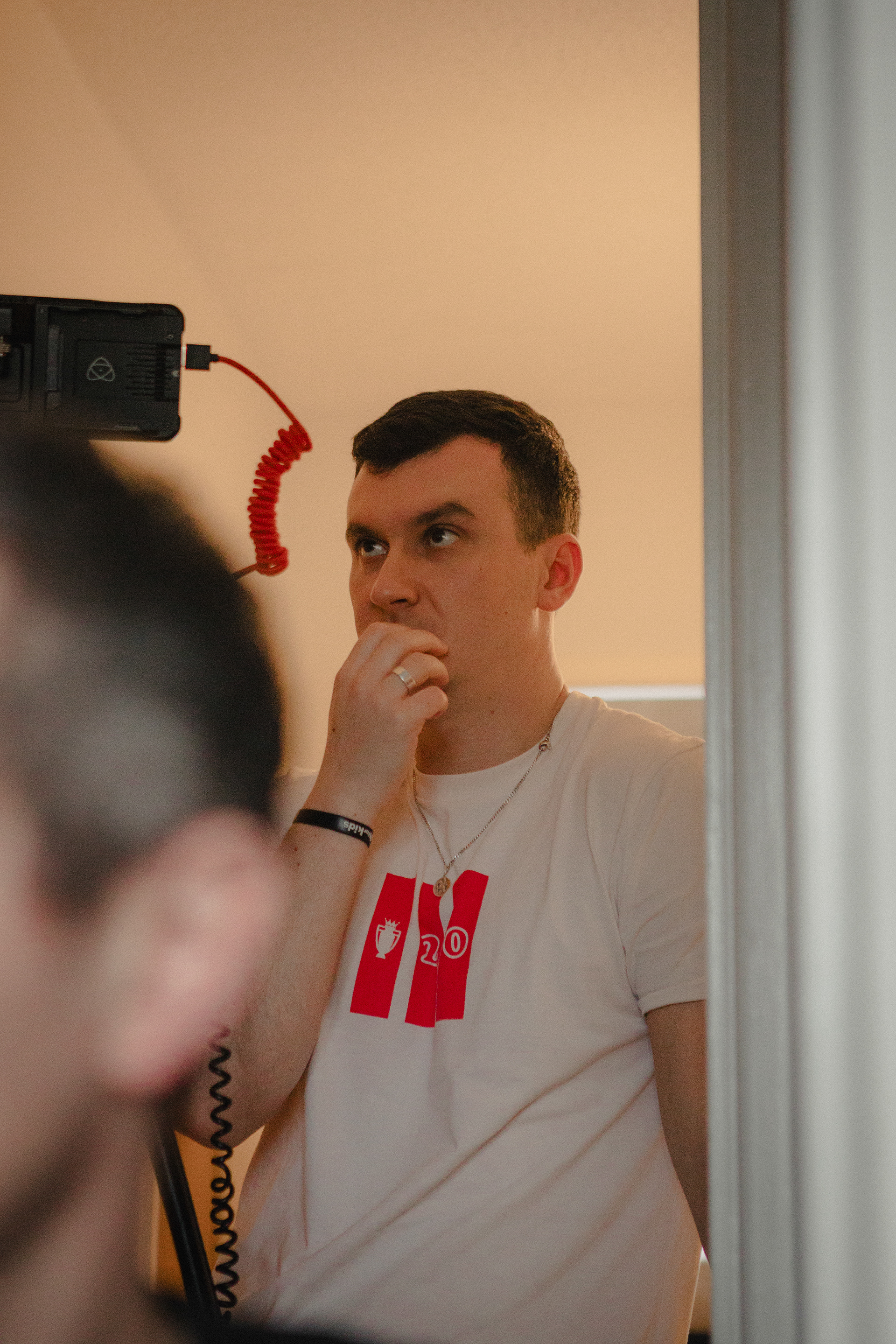
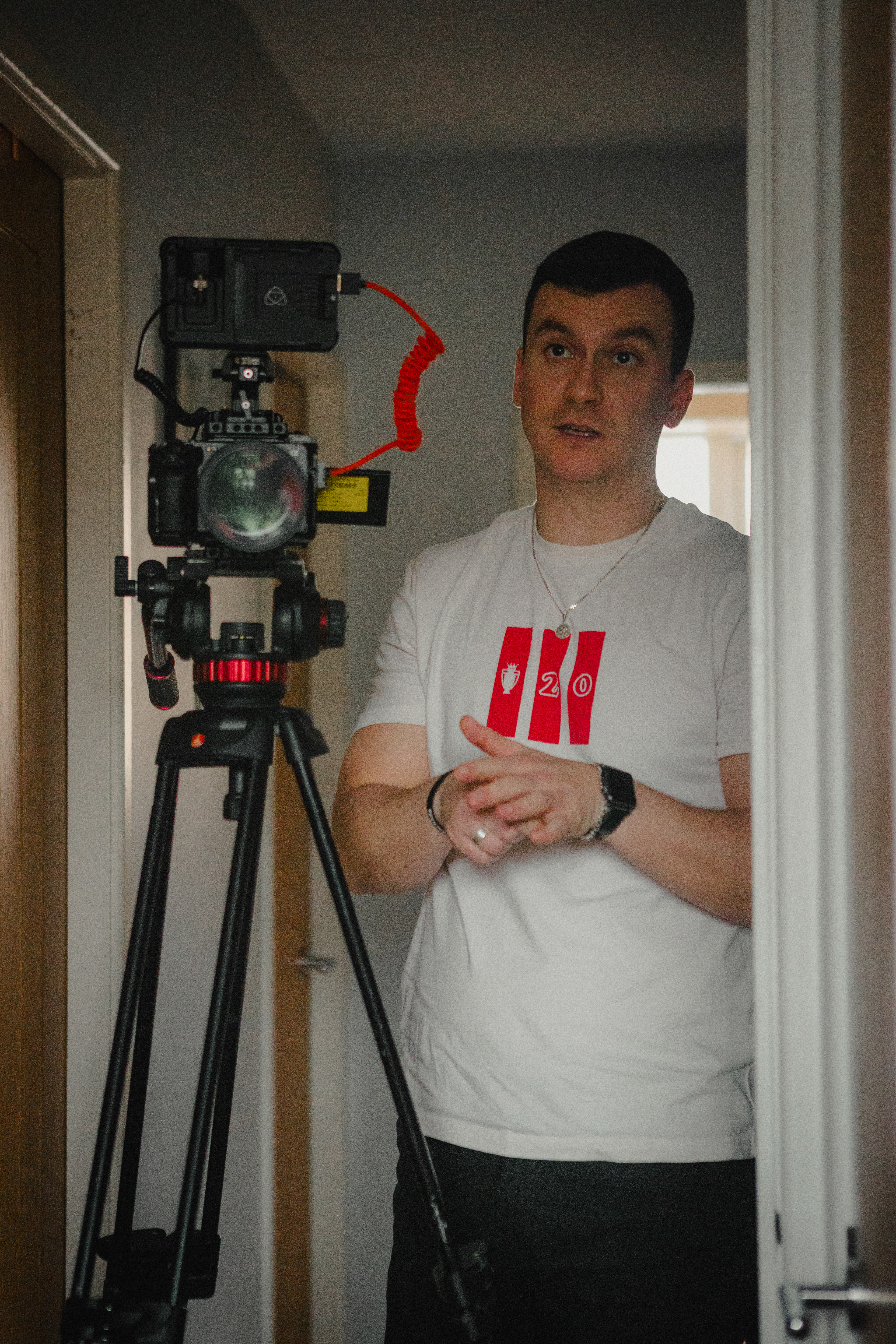
Self-Shooting Director: Calum Knight
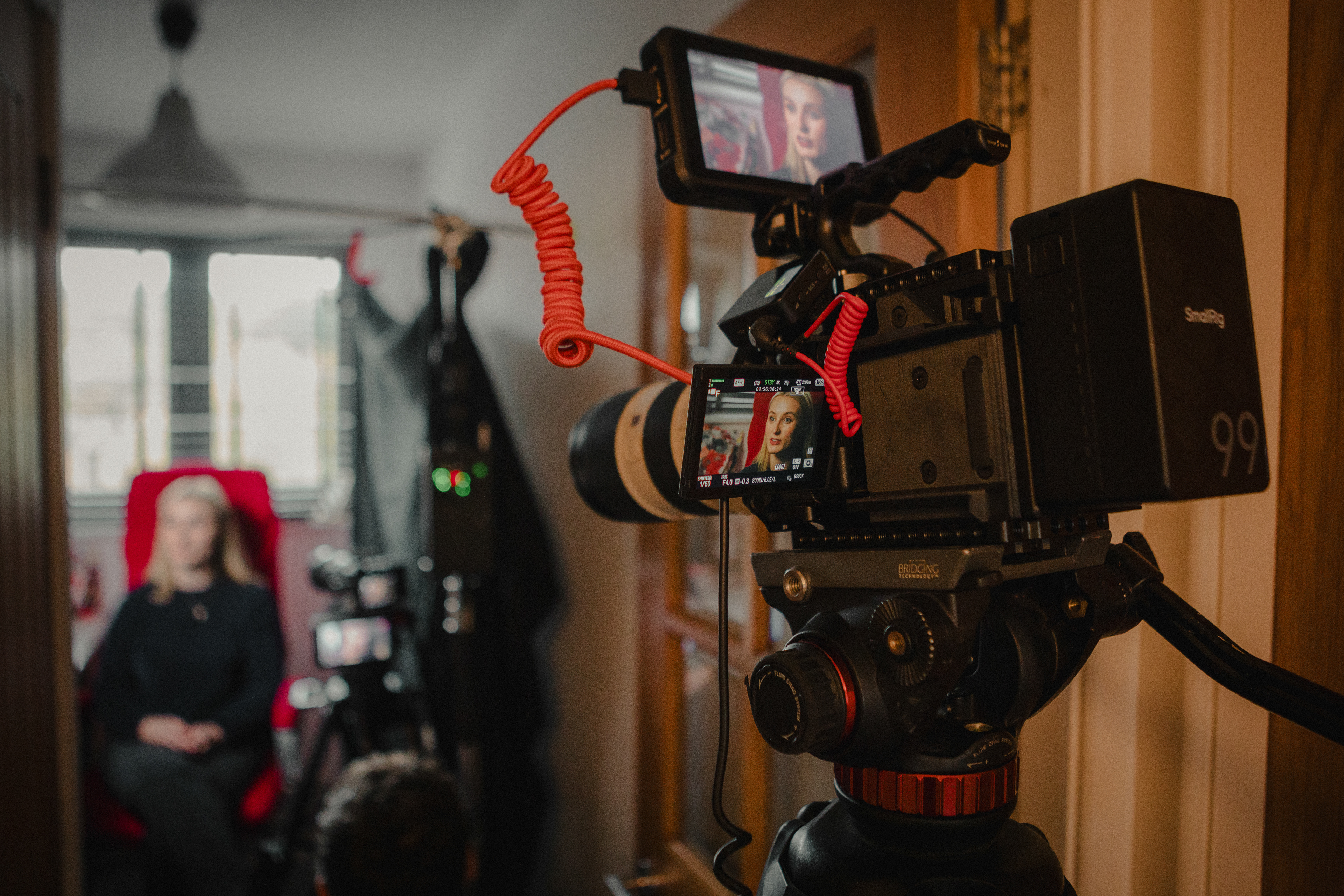
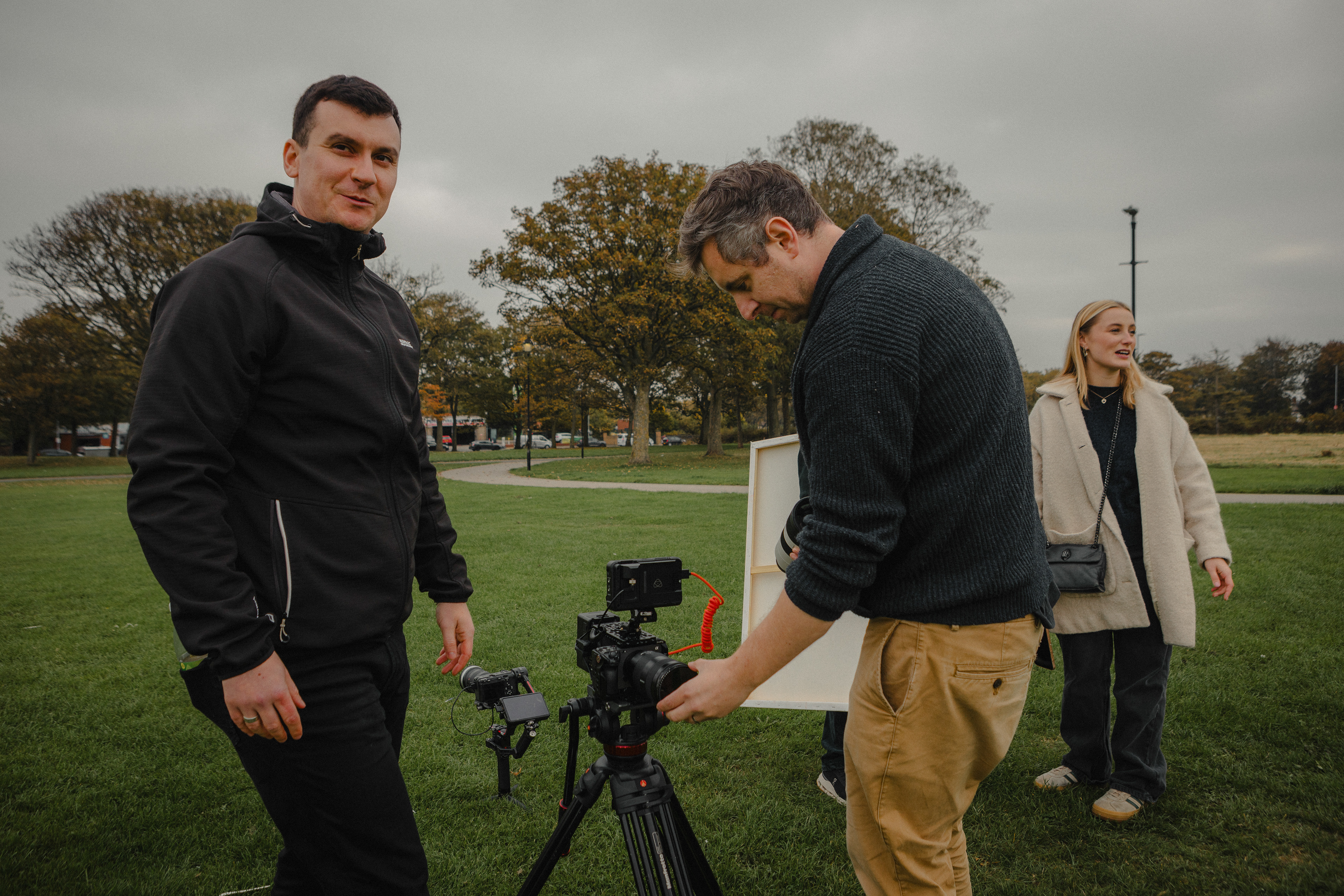
BTS Photography: Jessica Baillie
Edit & Grade: Calum Knight
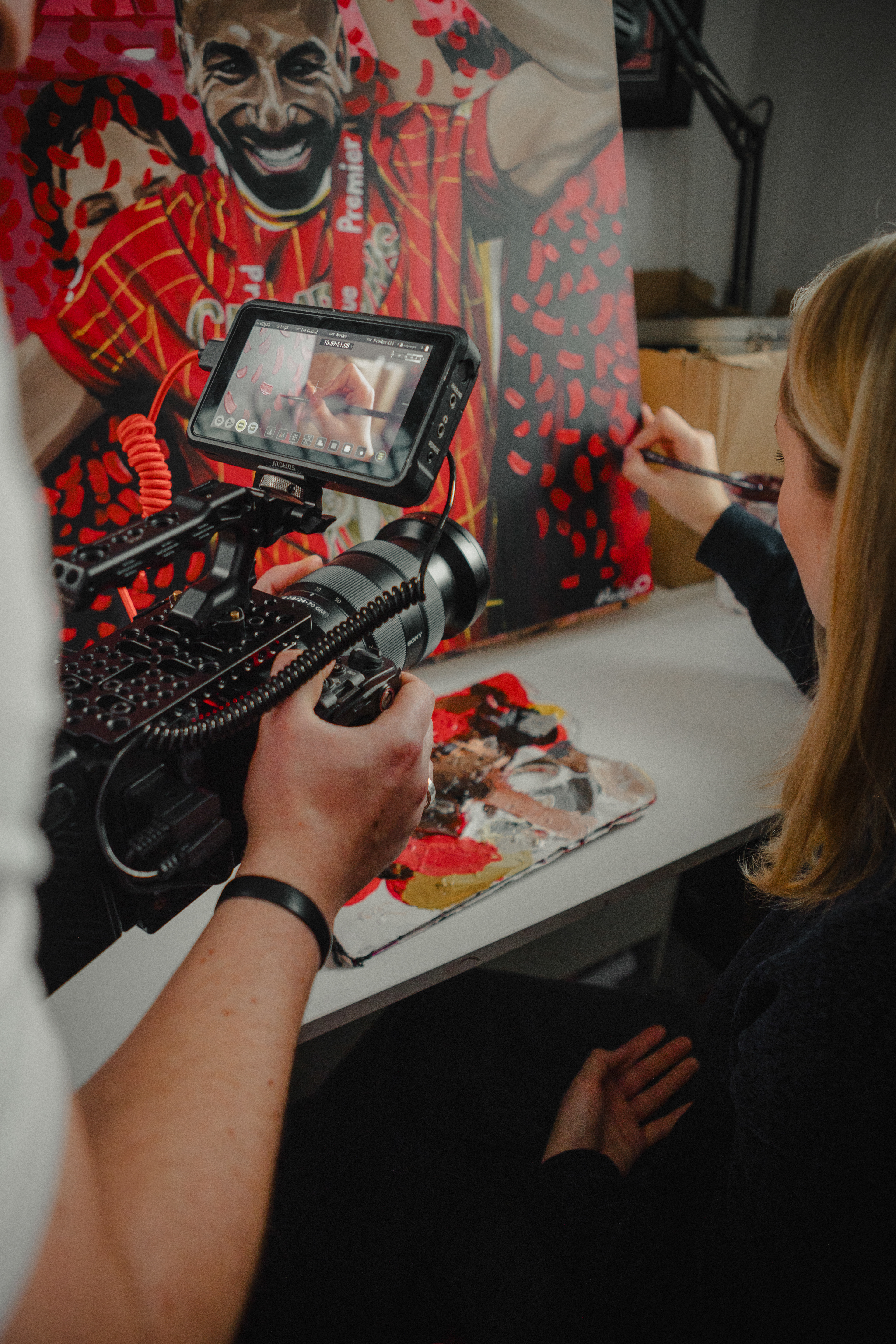
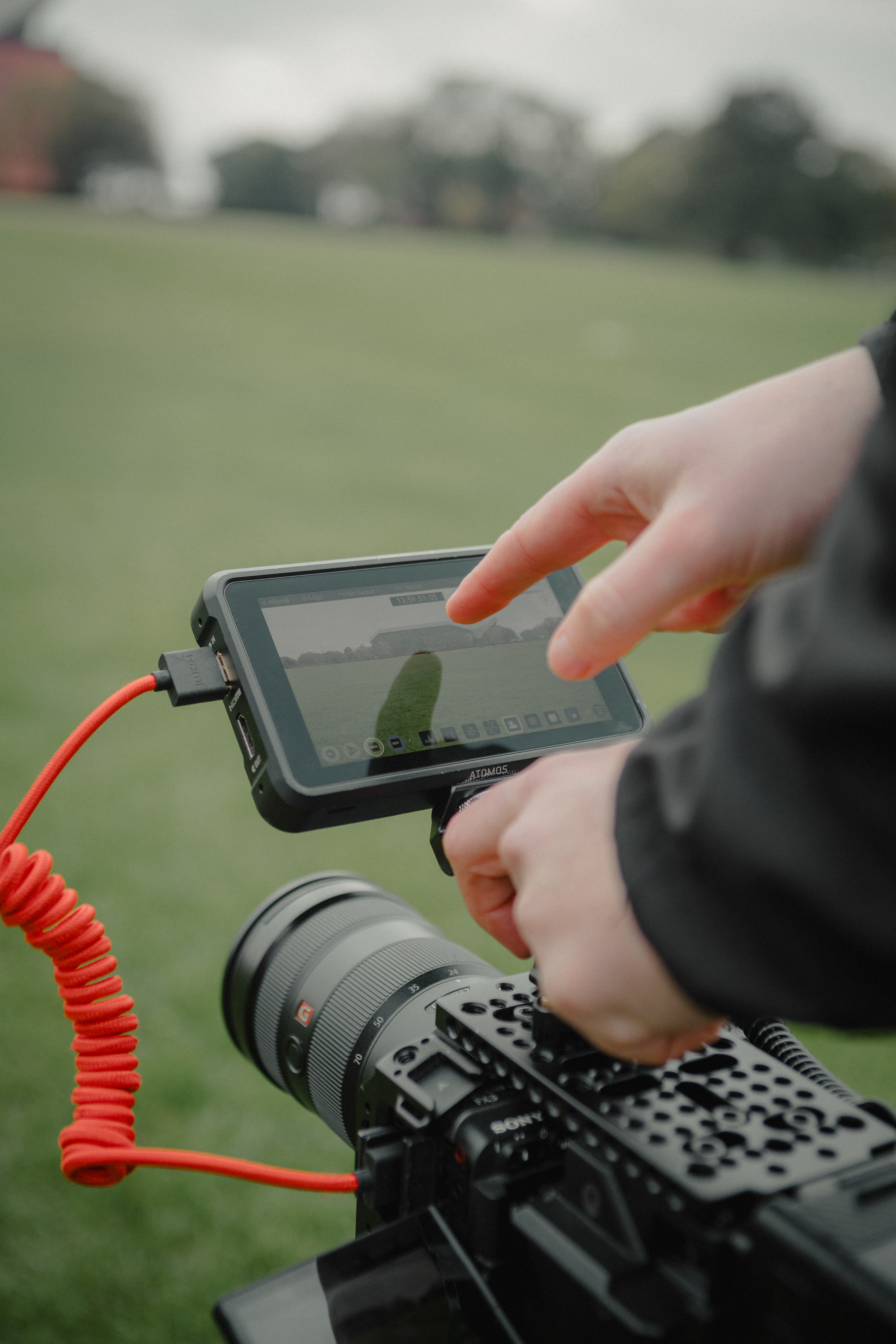
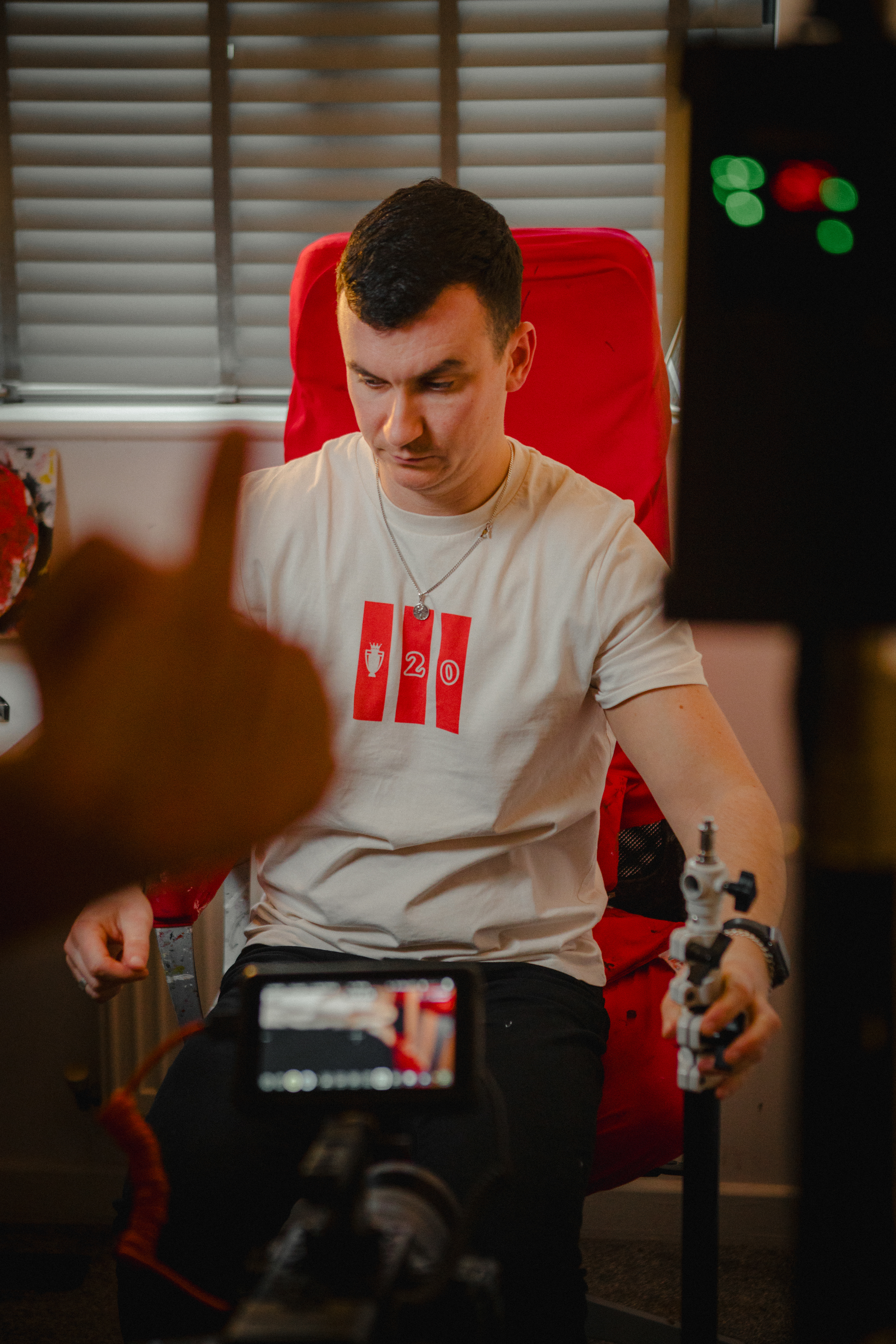
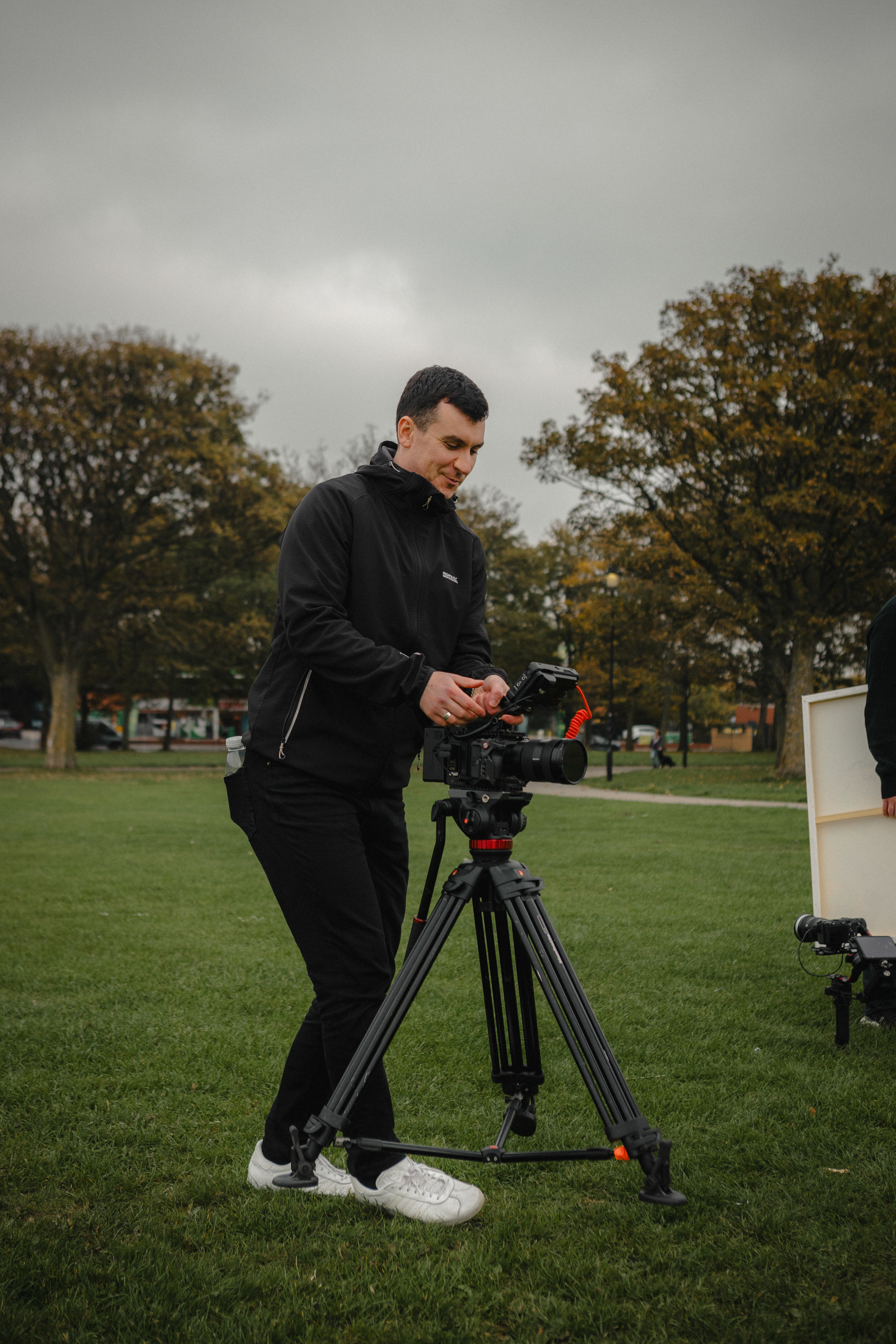
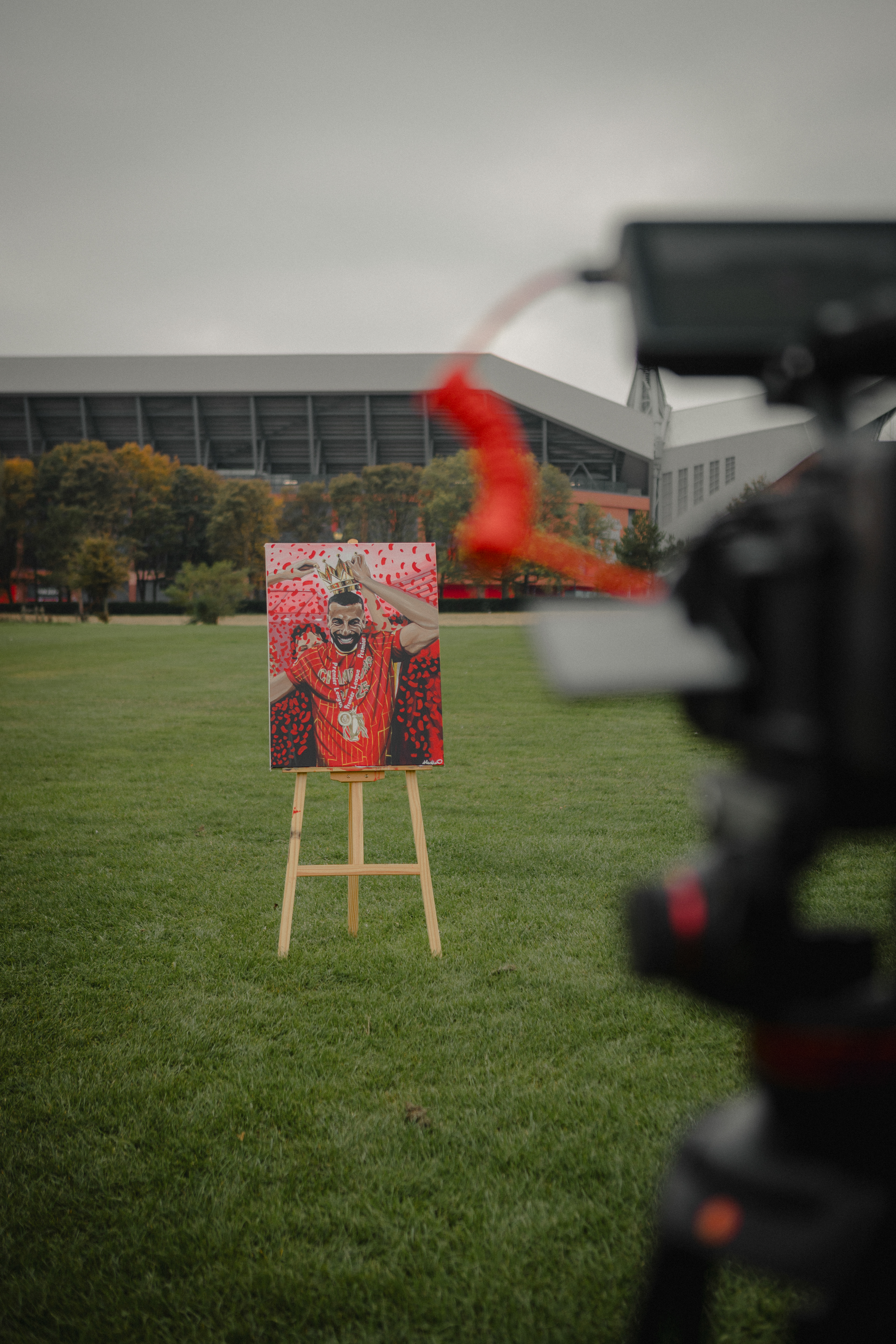
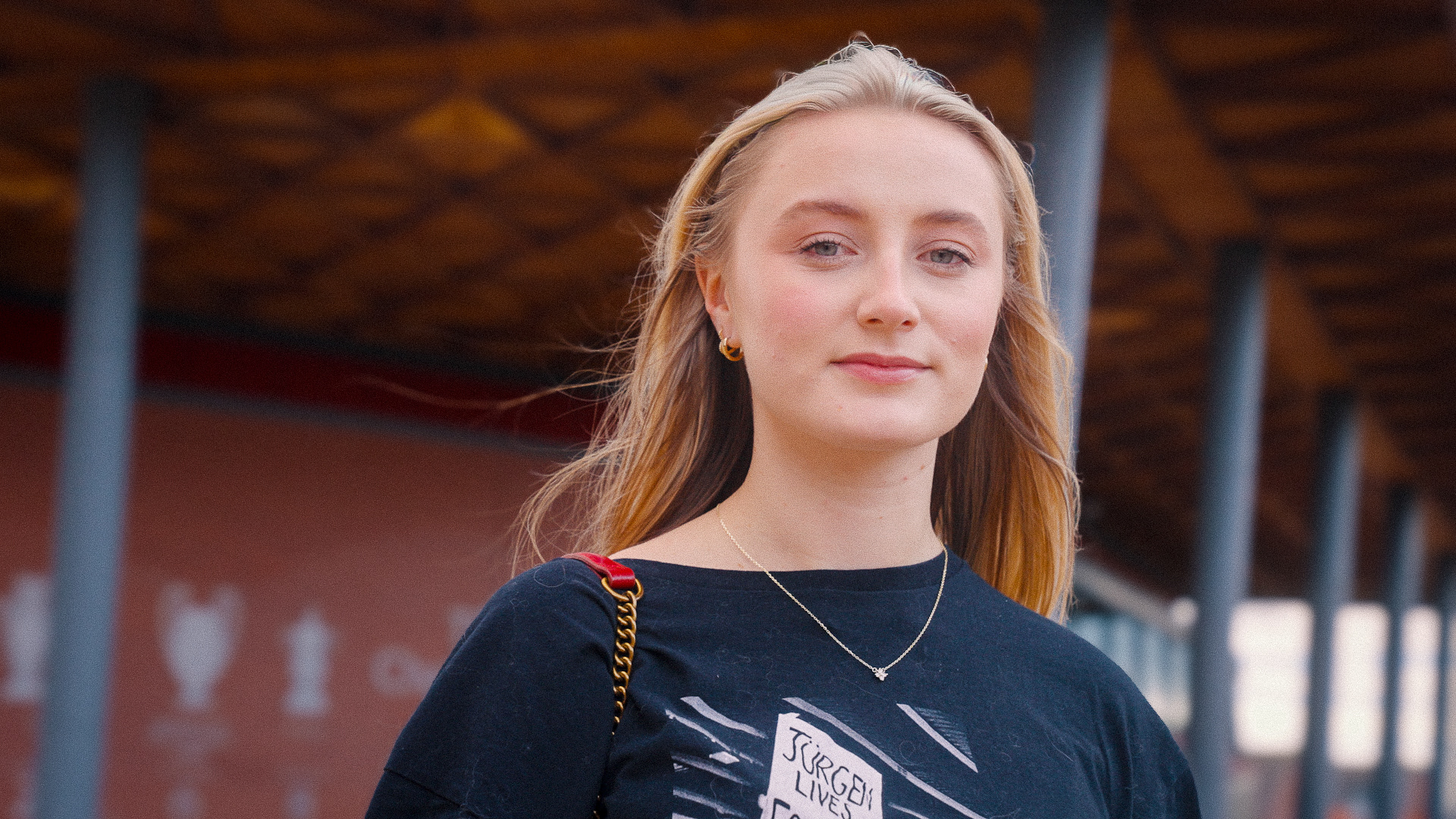
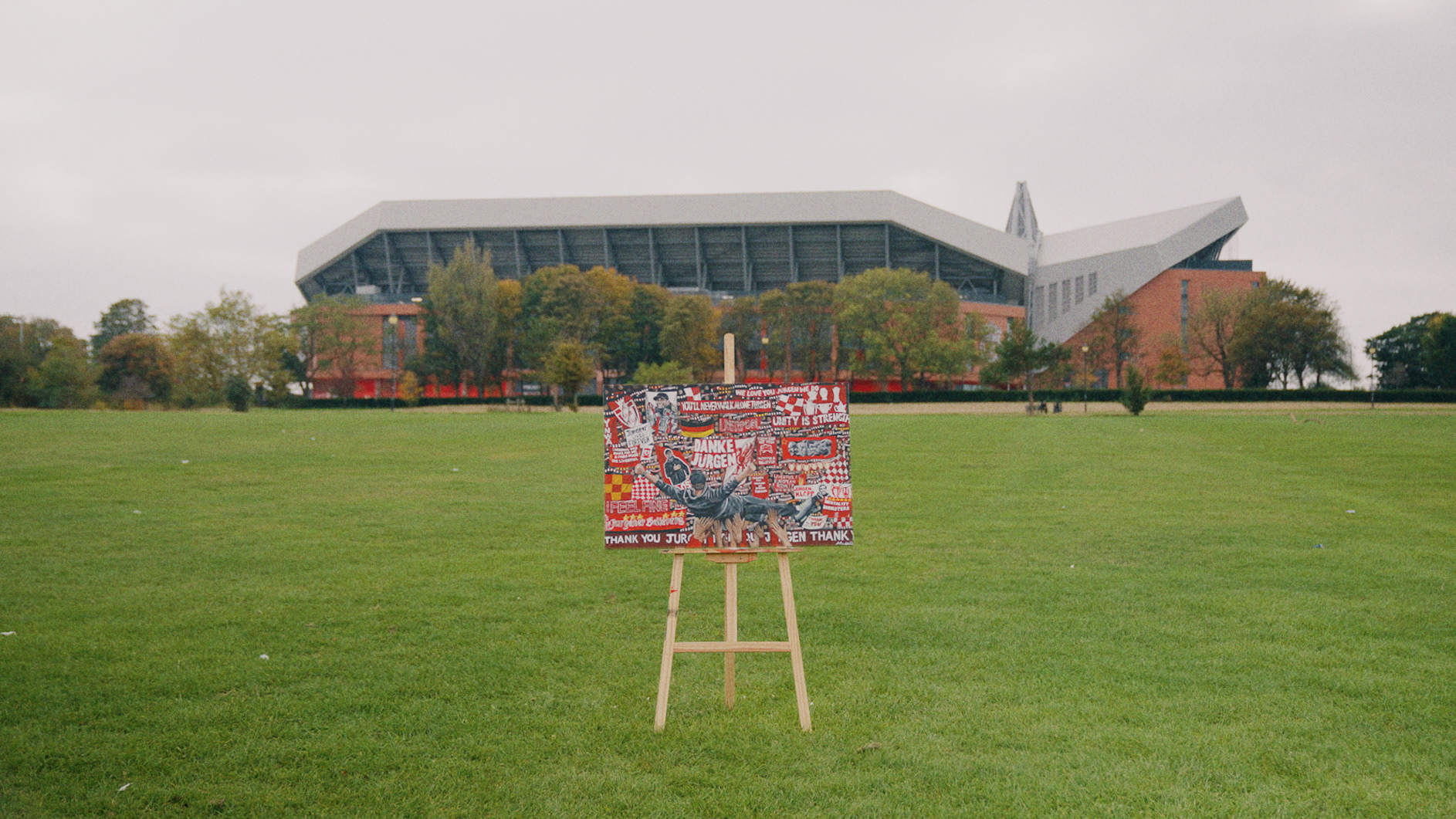
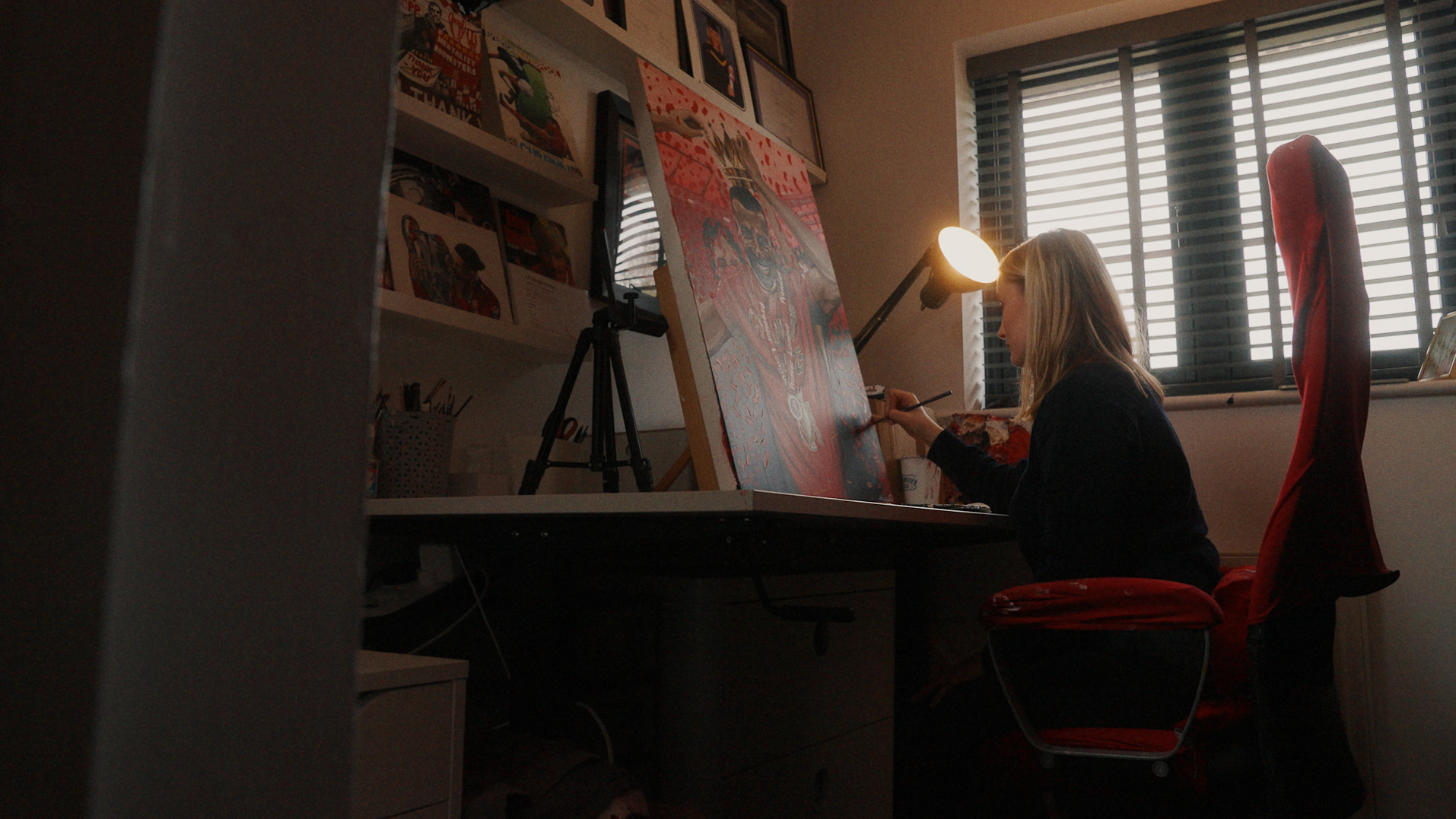
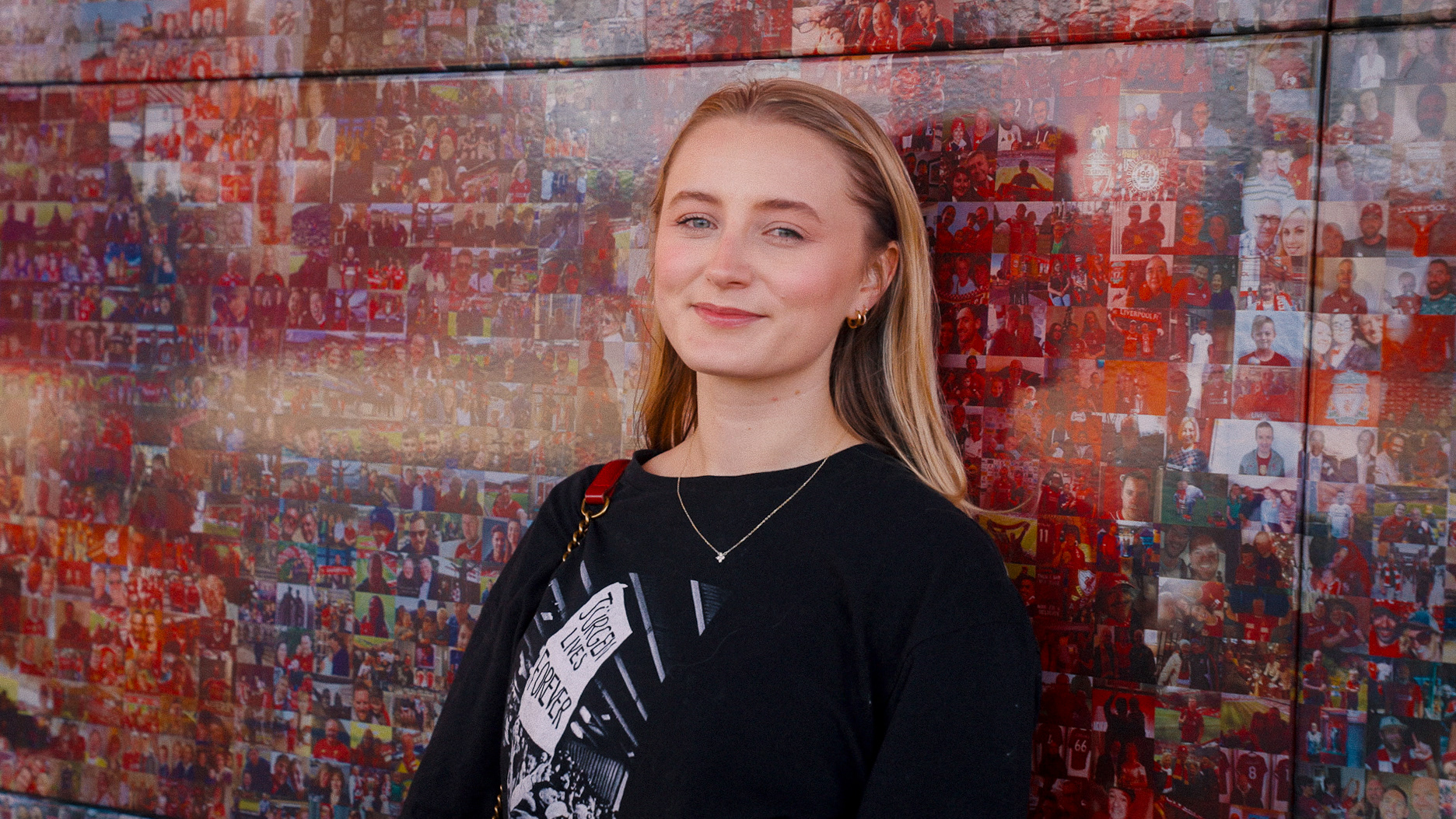
The film follows Abi’s journey from studying Fine Art and losing her passion for painting, to finding it again through something that had always been a huge part of her life: football.
Growing up watching Liverpool with her dad, football became a shared passion and an important part of their relationship. Years later, while studying Fine Art at university and struggling with her motivation, Abi found a way to bring those two worlds together.
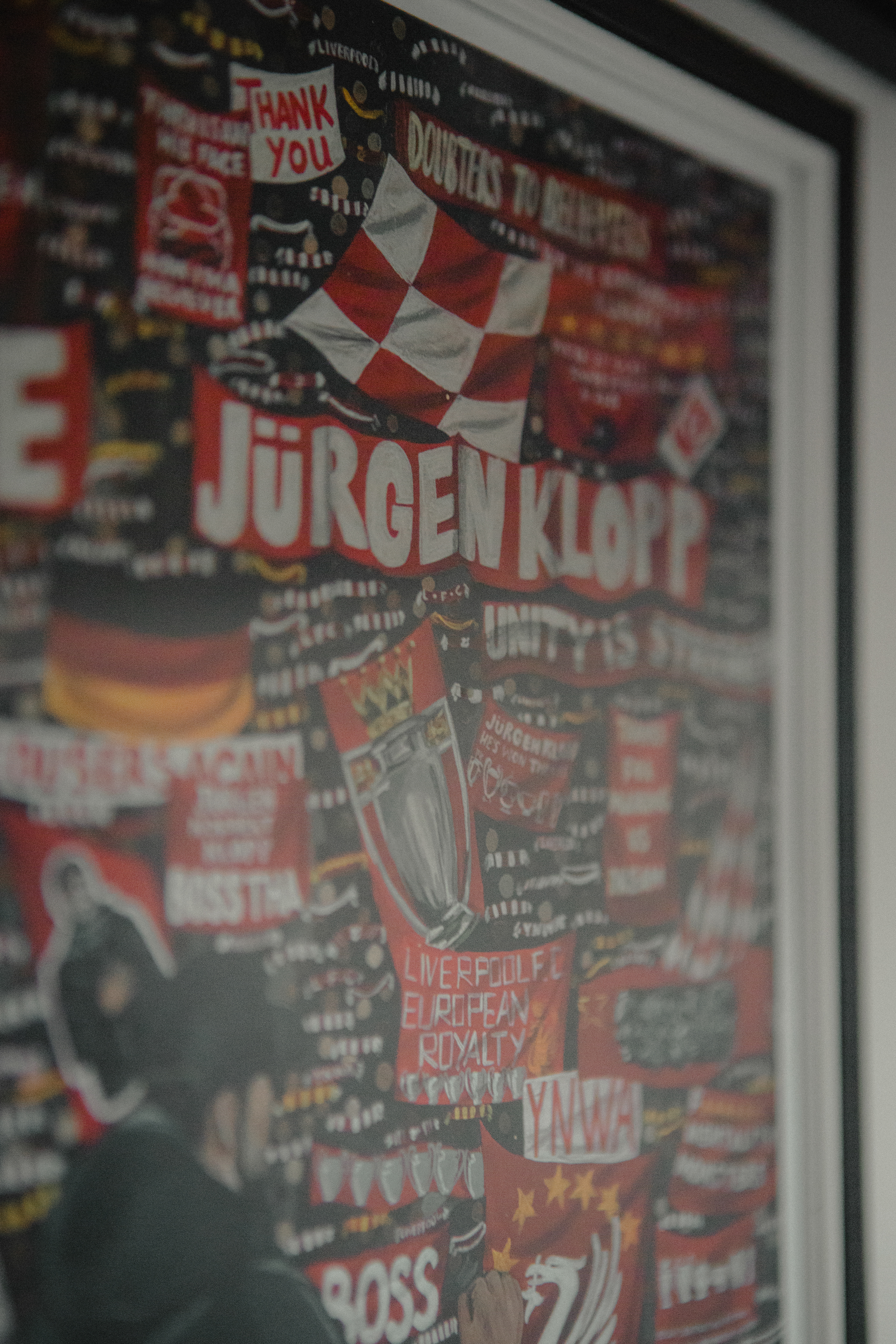
During covid, she painted a portrait of Jürgen Klopp, posted it online and the rest is history, so to speak.
Requests for paintings of Liverpool players and managers started coming in, commissions followed and Abi eventually took the leap to become a full-time artist.
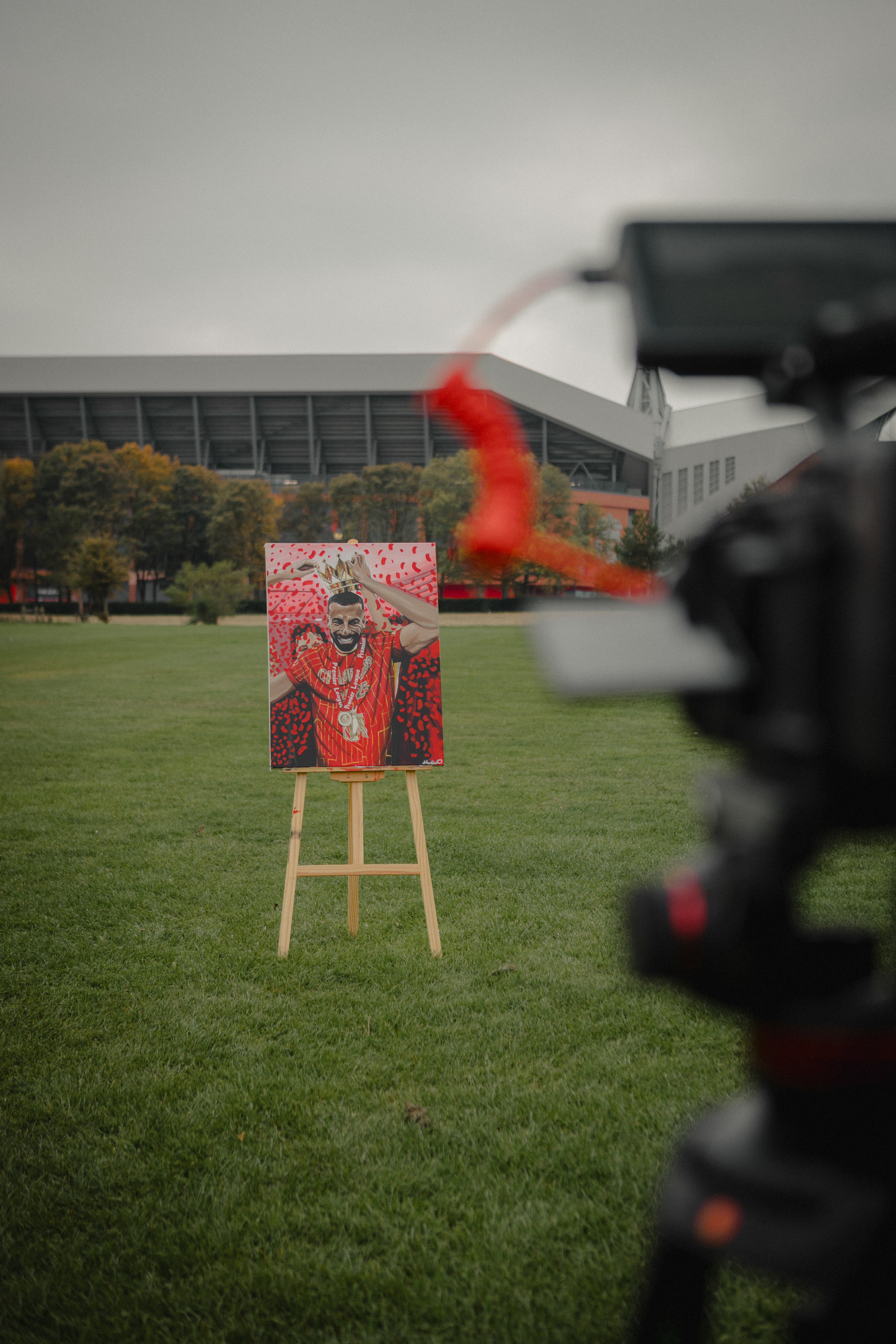
Her work is now closely connected to Liverpool, Anfield and the emotion of watching football. The film explores that connection, including her experience creating work connected to Liverpool Football Club and the influence of Jürgen Klopp on her relationship with the game.
The film is ultimately less about football itself and more about finding your passion again, and what happens when you manage to combine the things you genuinely love.
One of the biggest challenges with this film was figuring out exactly what the story was.
The initial idea wasn't necessarily the film that eventually made it to YouTube. As I spent more time with the interview and started putting the edit together, the narrative began to reveal itself.
Once the structure was nailed down, the film took a different direction.
Rather than simply making a profile of a Liverpool football artist, the film became more about Abi's journey. Losing her passion for art. Discovering football. Combining the two. Finding success. And ultimately finding a reason to be excited about painting again.
That meant a lot of reworking.
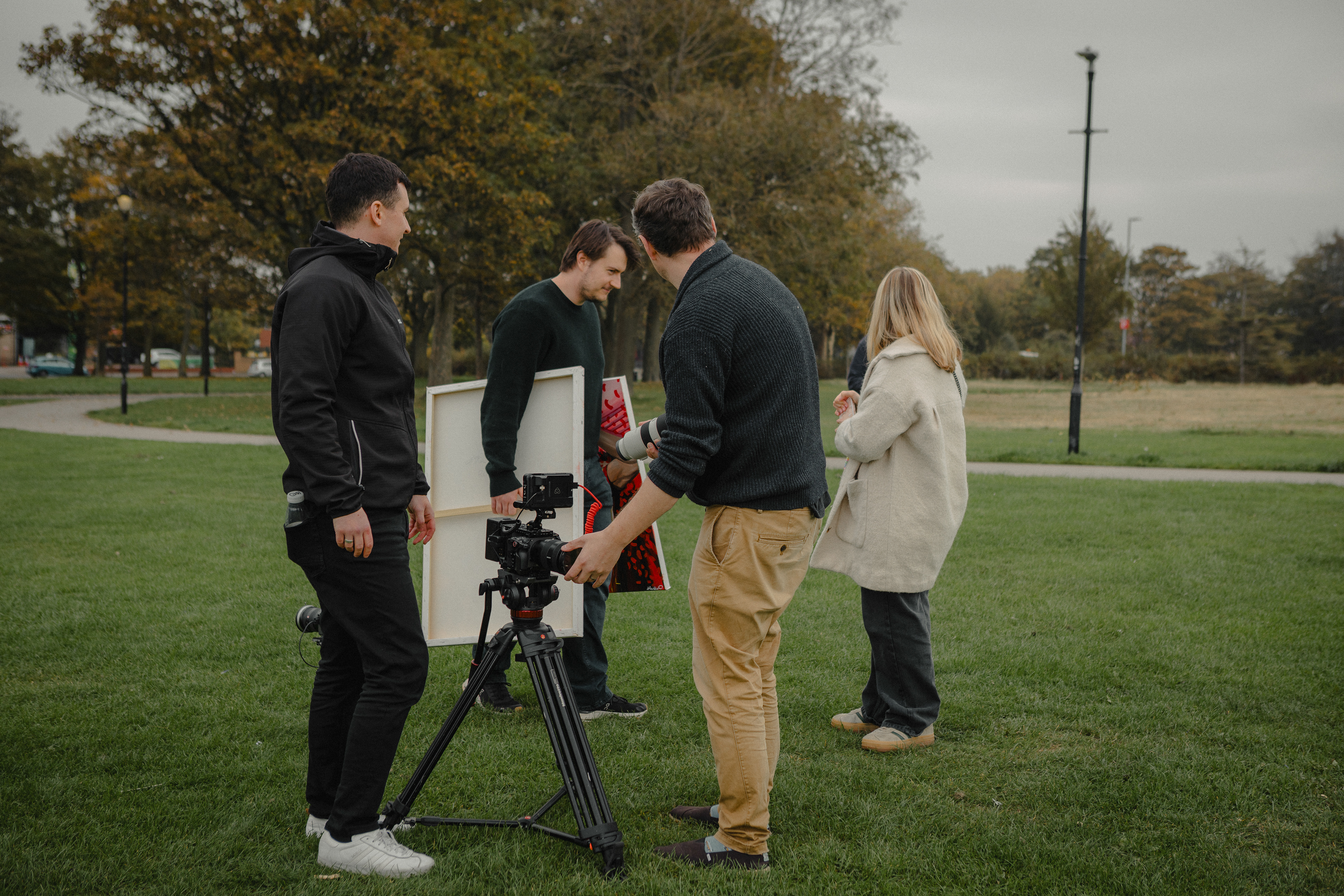
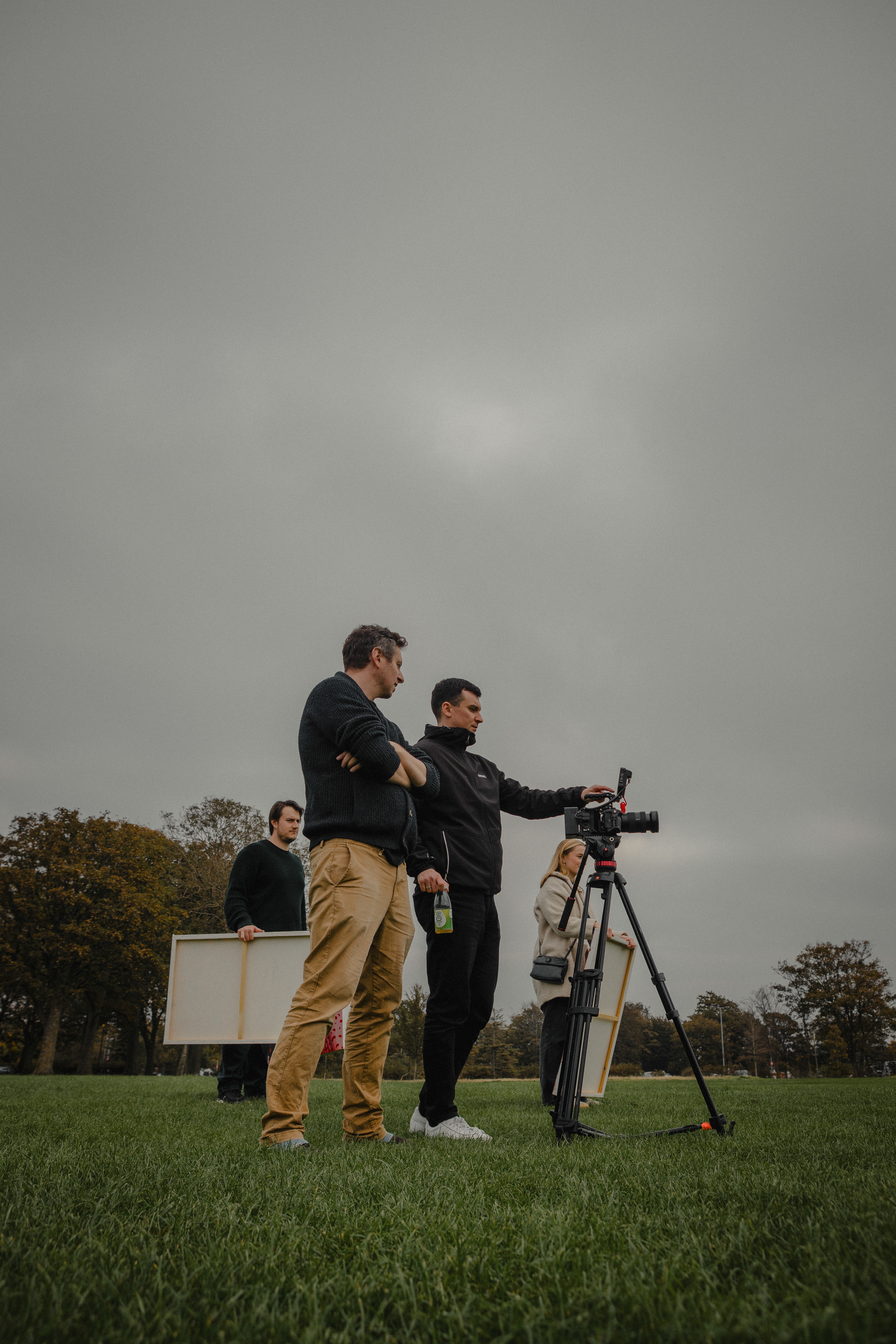
Sections were moved, cut, shortened and rebuilt. I stepped away from the edit, came back to it and looked at it again with fresh eyes. Eventually, it became obvious that there were a few things missing visually, which led to a pickup filming day.
That extra day was important because it allowed me to shoot specifically for the story we had discovered in the edit, rather than simply filming coverage and hoping it would fit later.
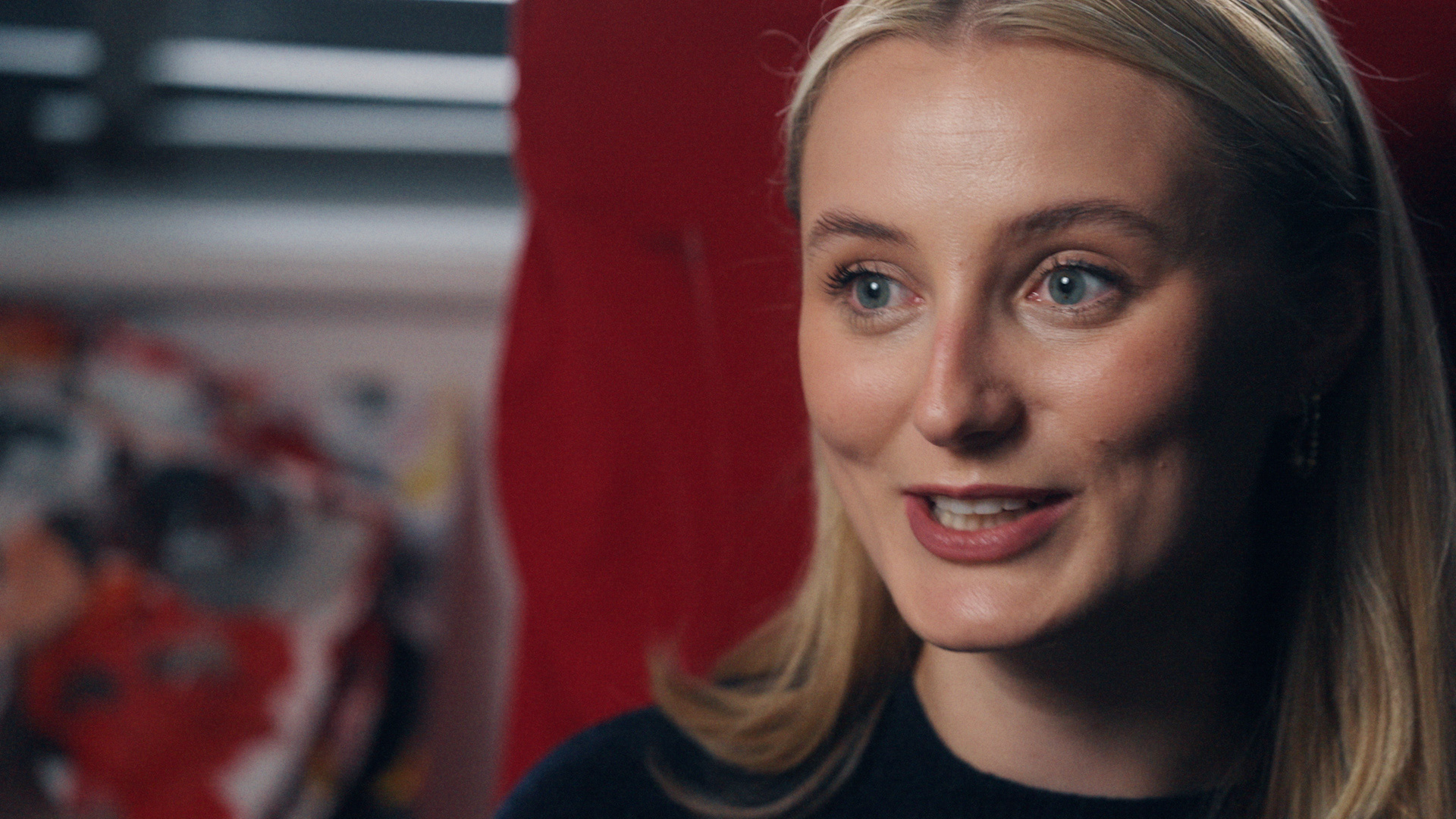
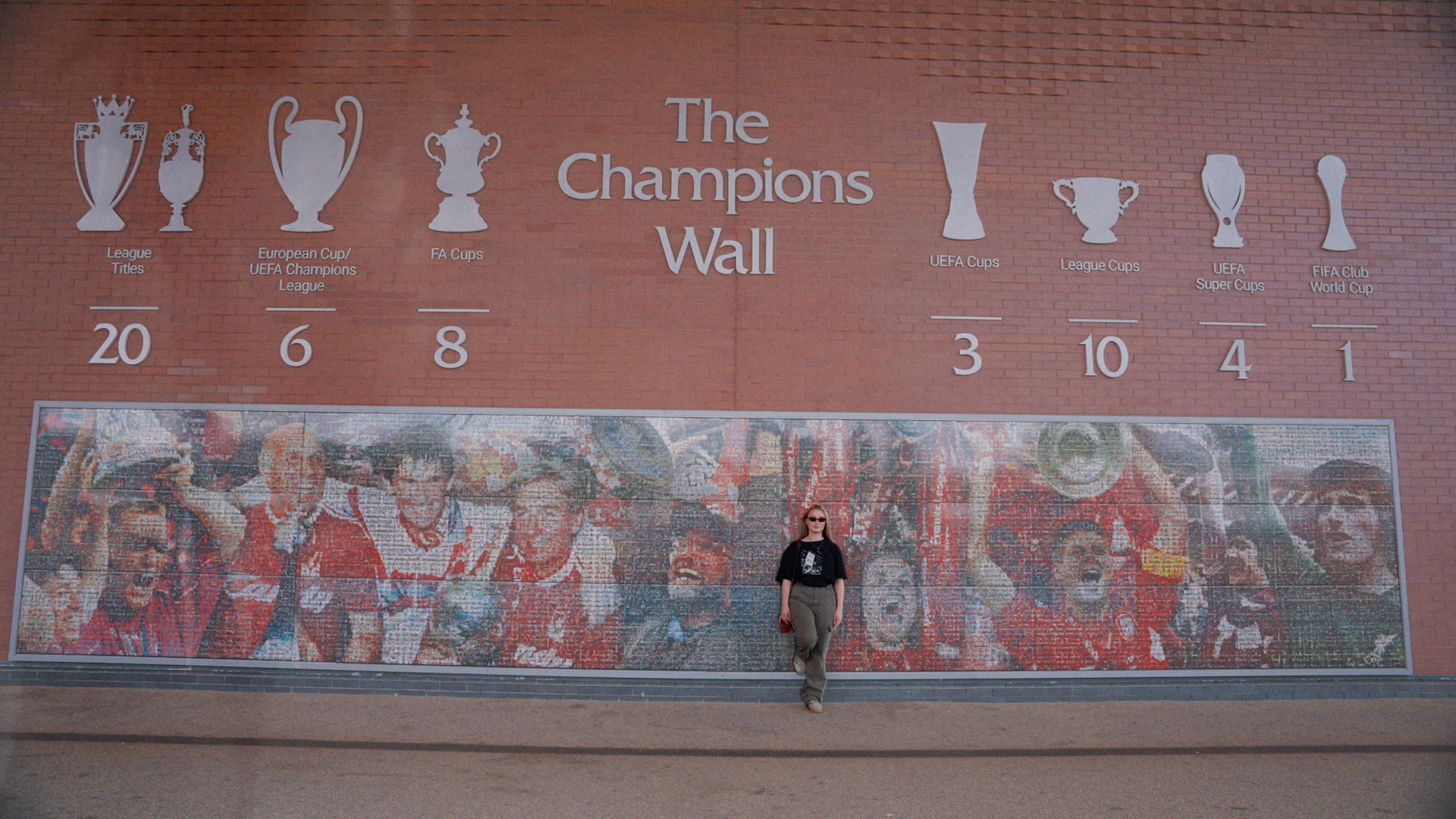
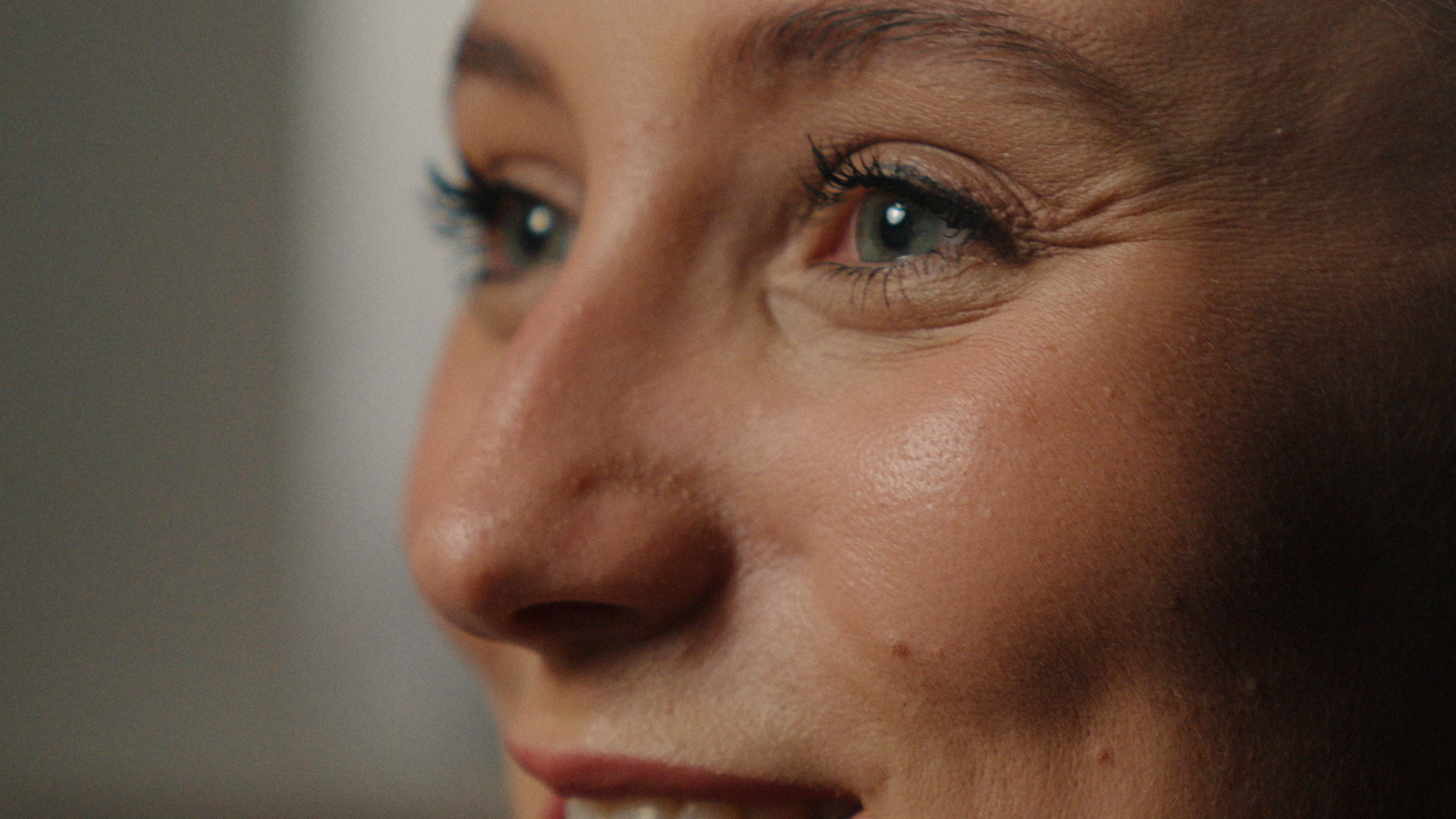
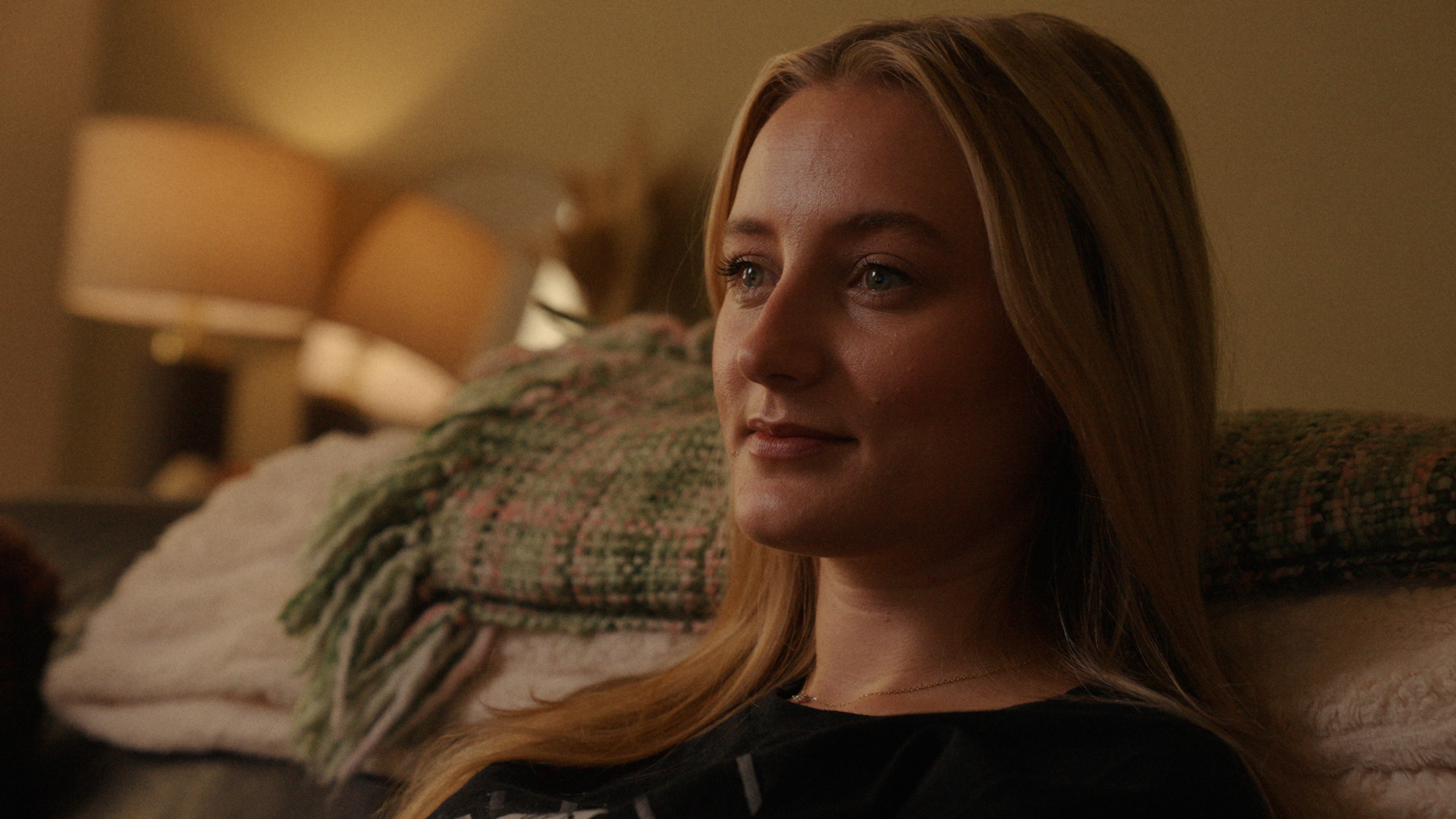
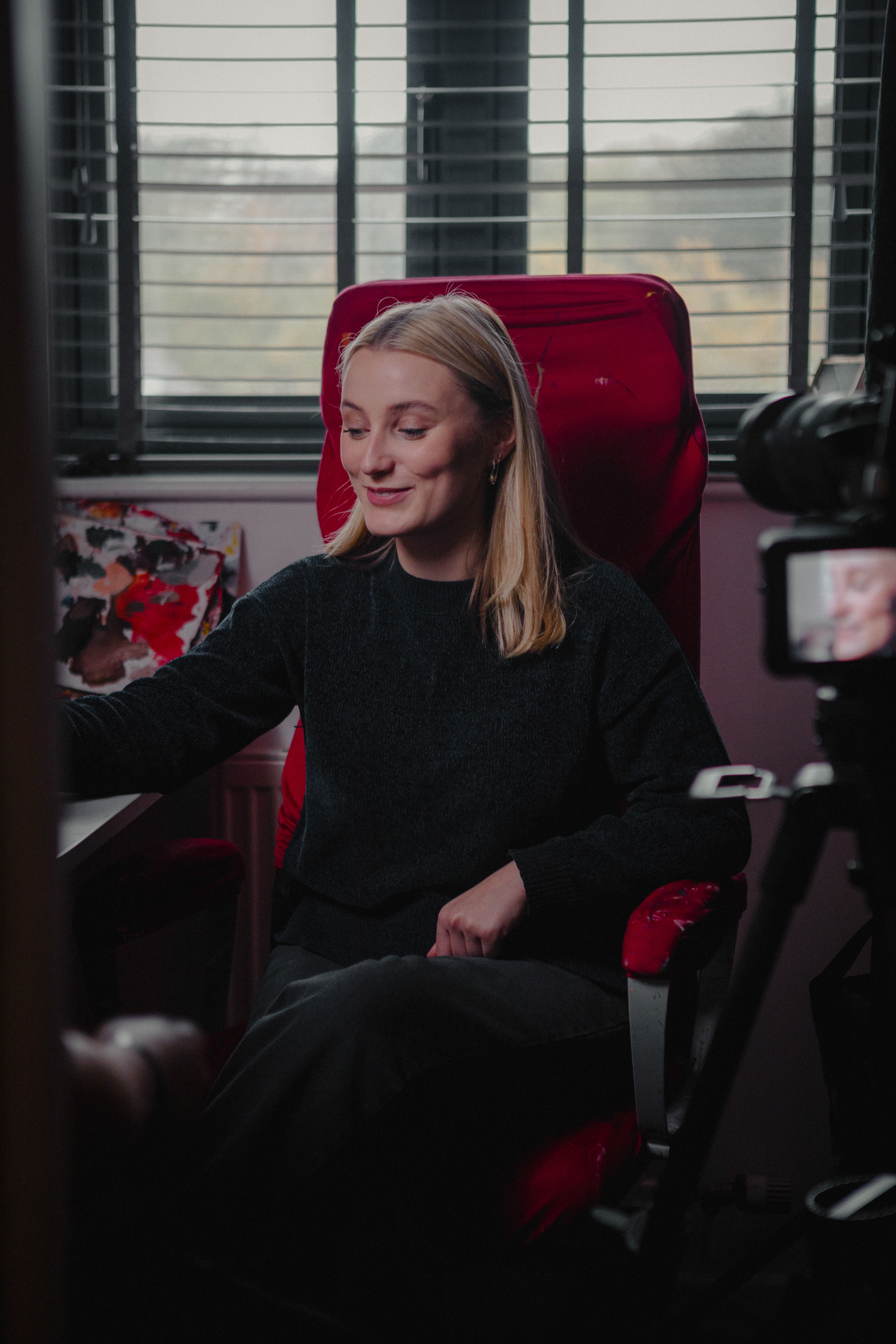
Visually, I wanted the documentary to feel cinematic without losing the observational and personal nature of the story.
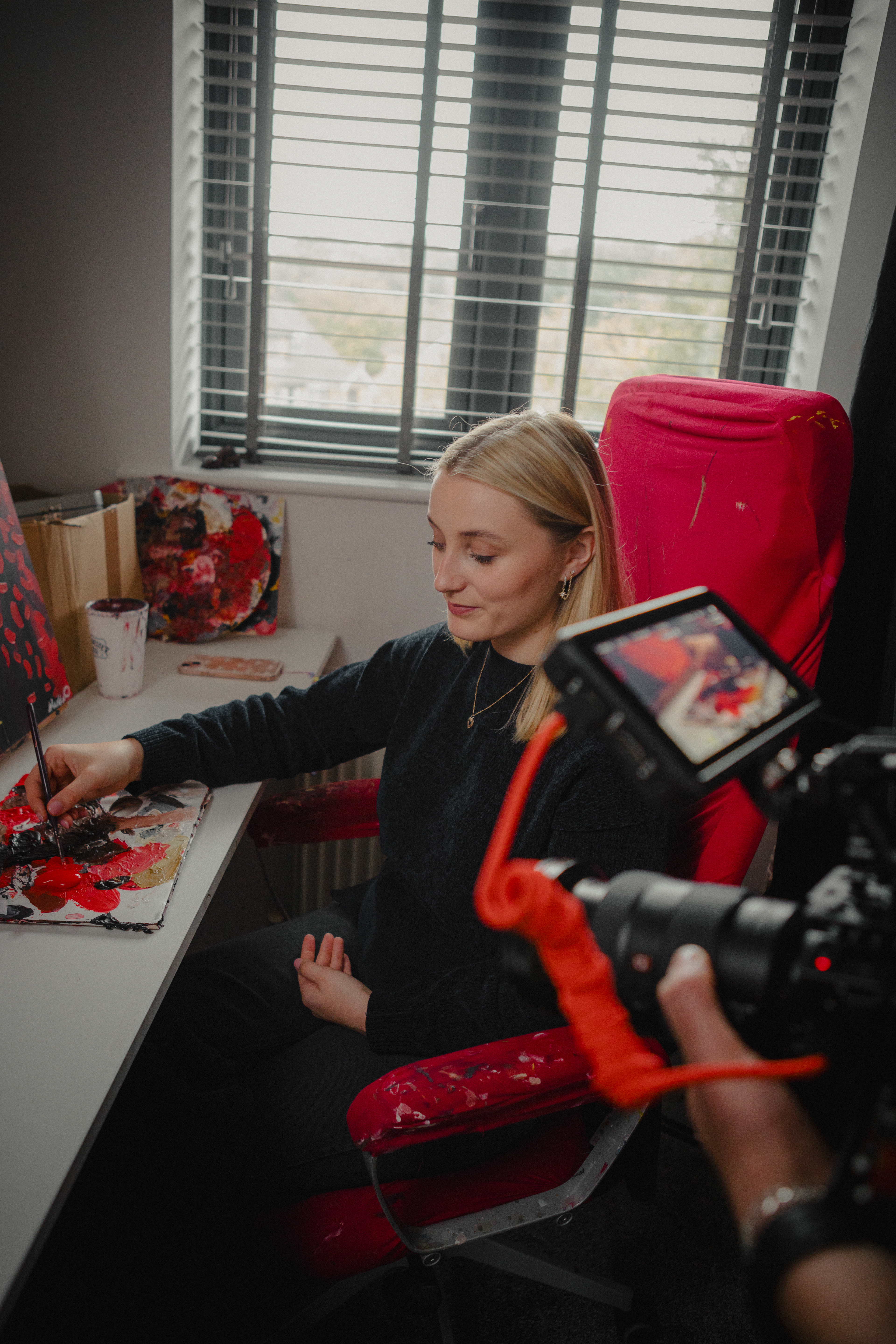
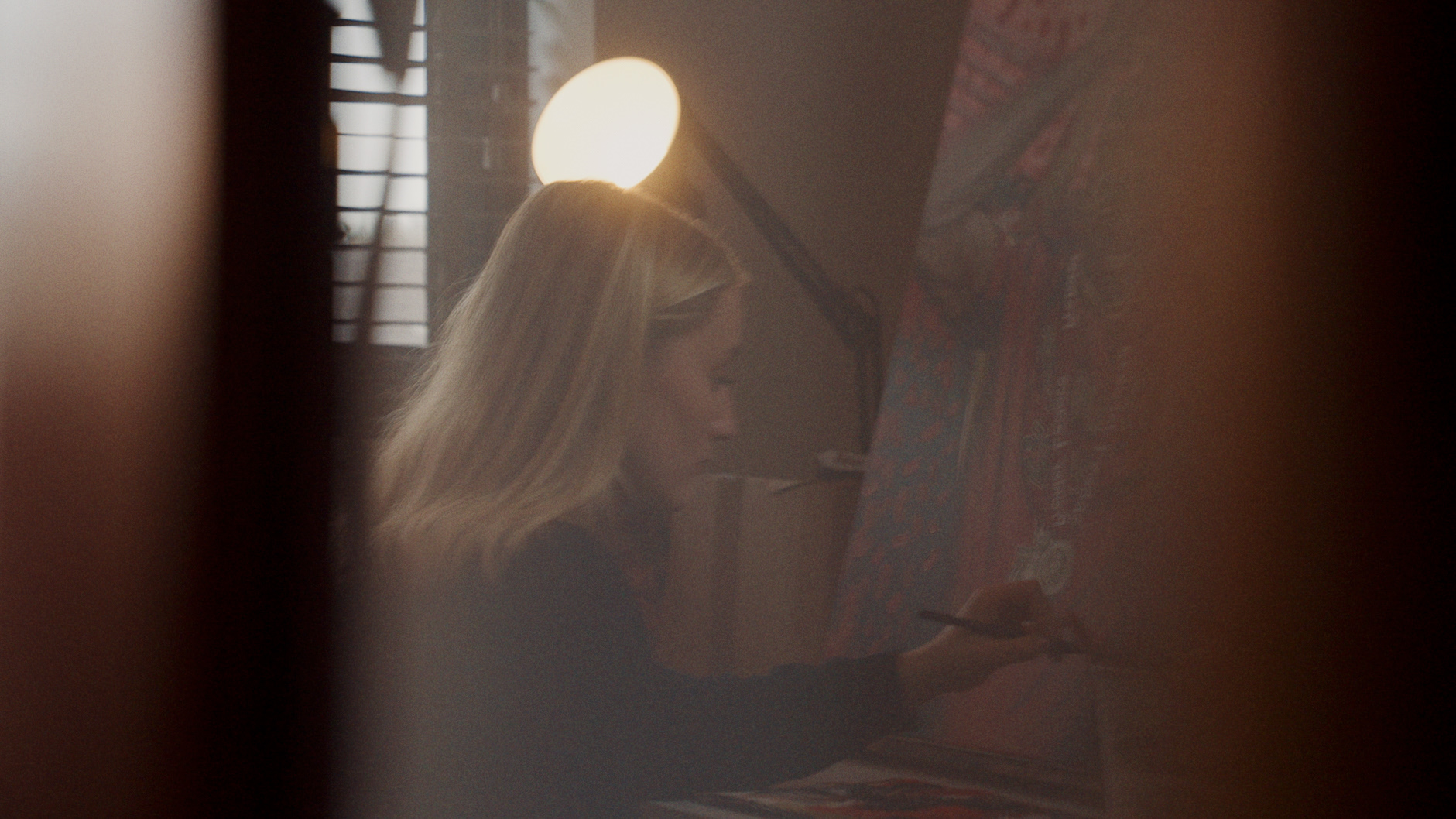
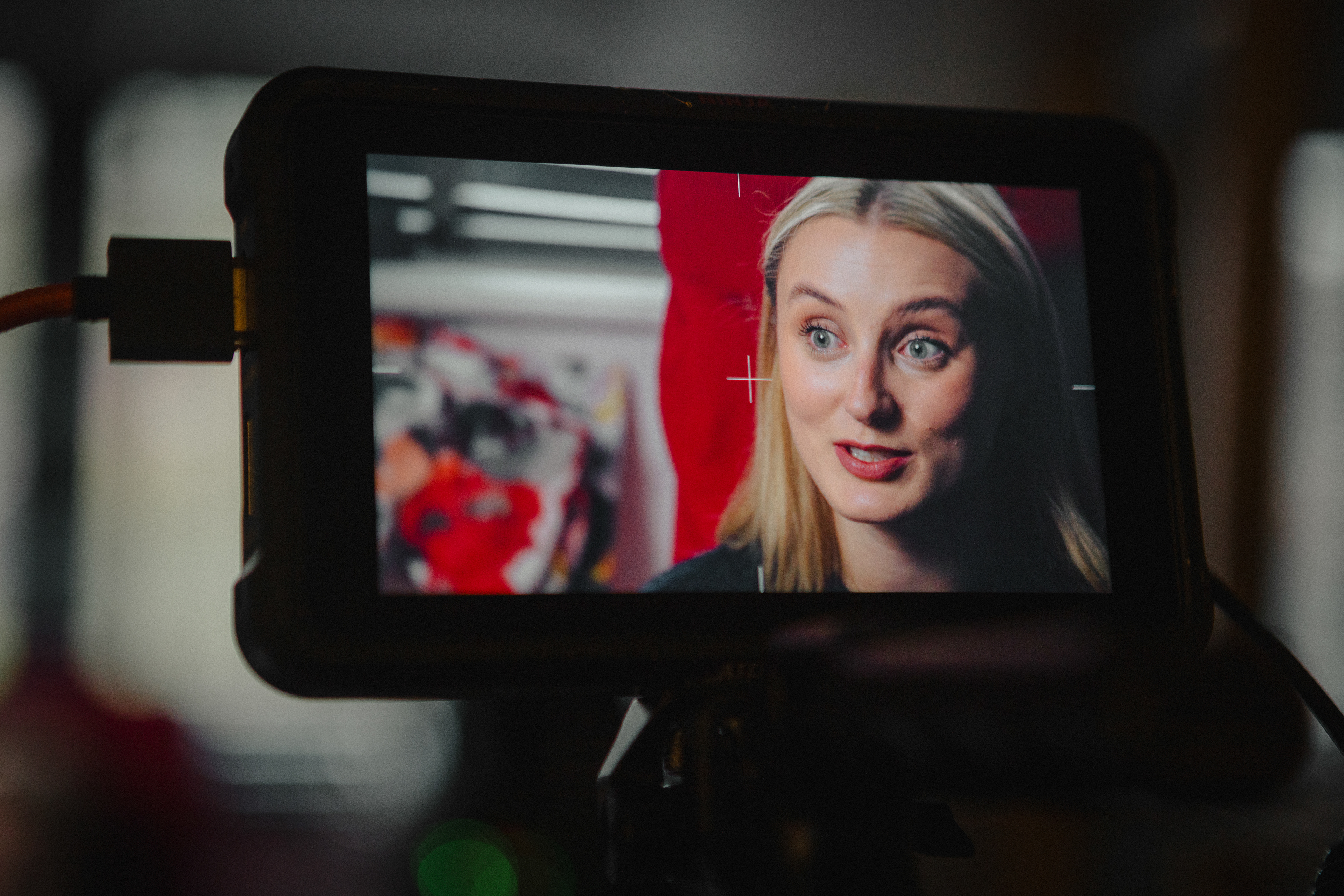
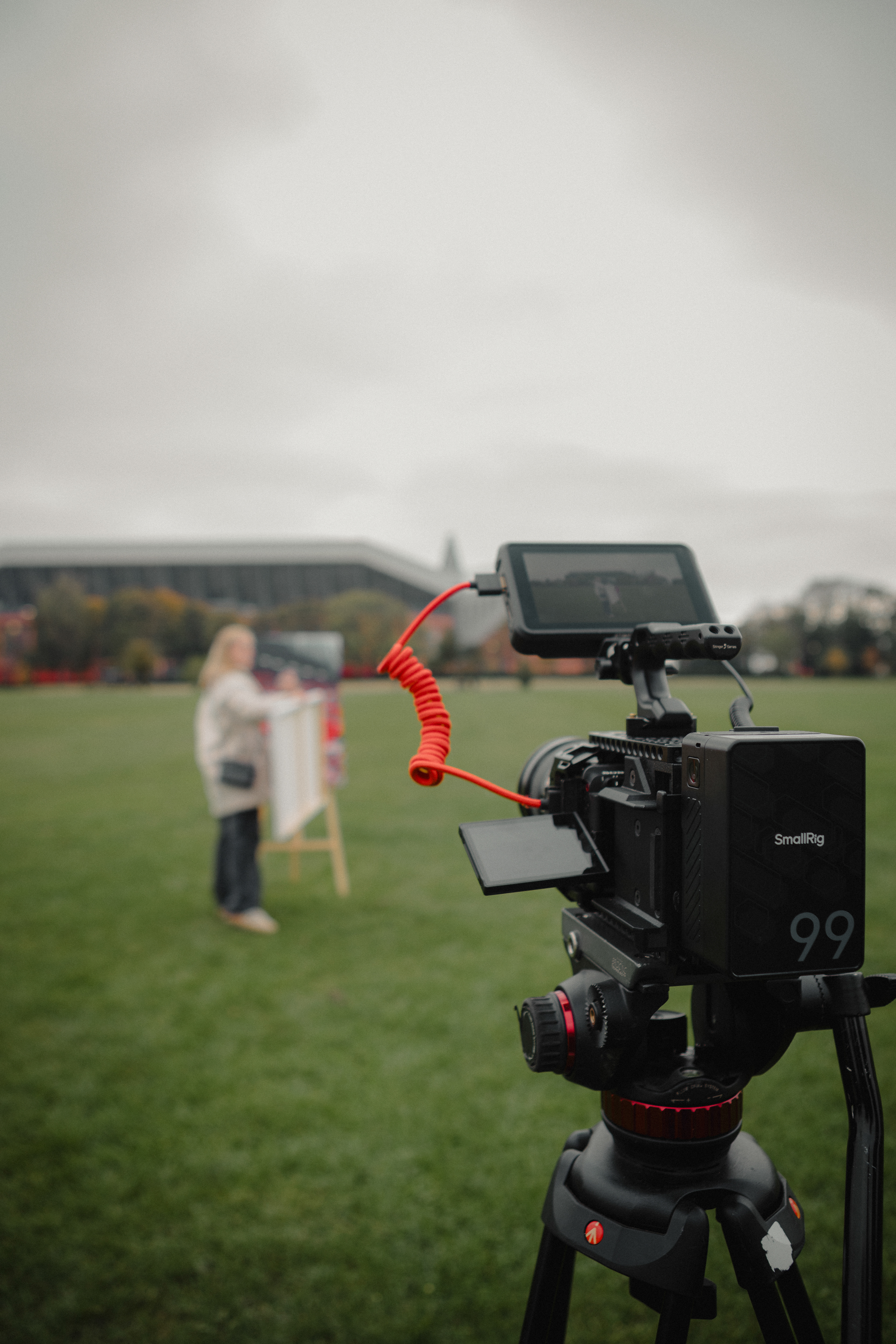
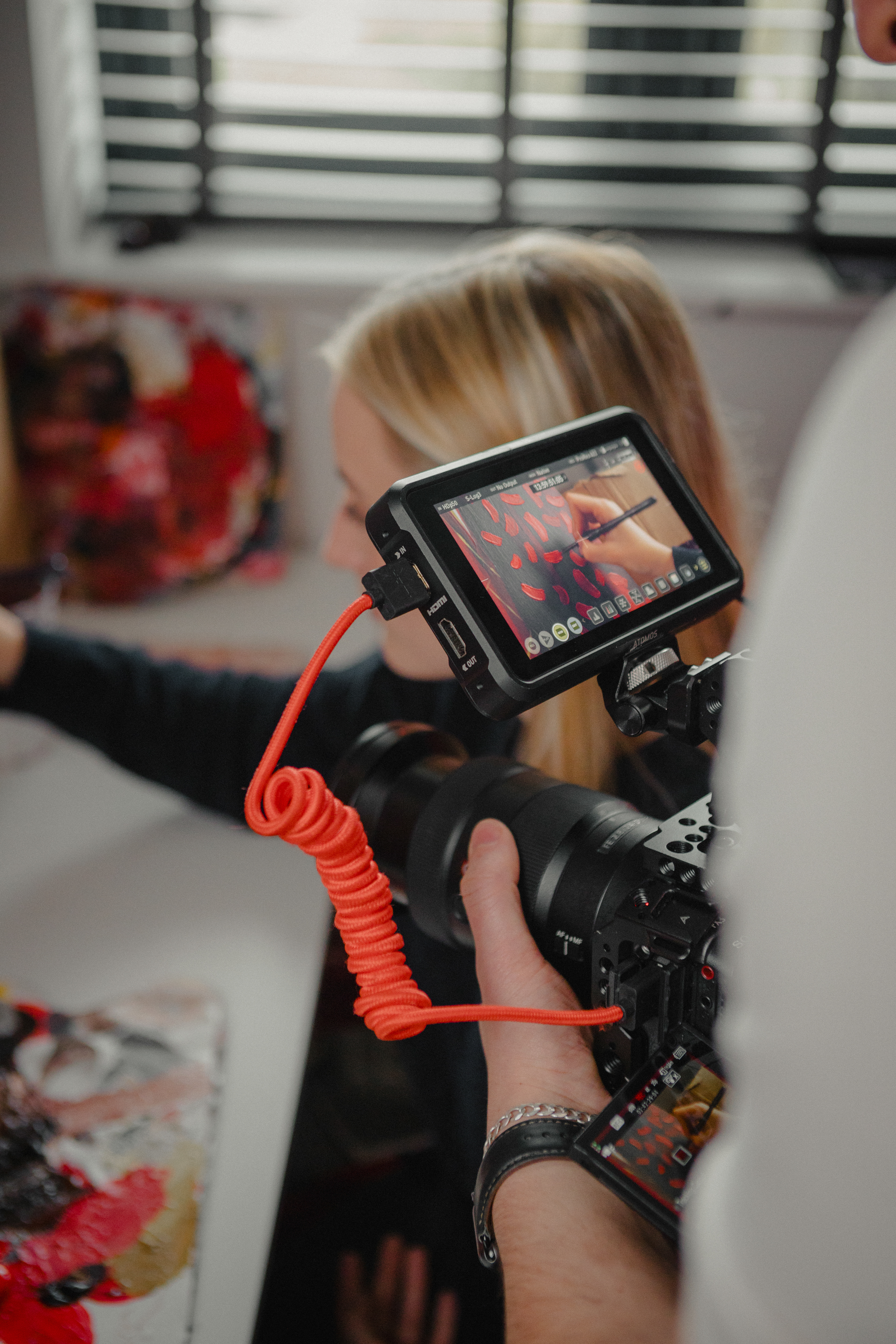
A lot of the film is built around Abi in her own environment, particularly her studio and the space where she paints. Rather than constantly cutting away to generic football footage, the aim was to keep bringing the audience back to Abi and the process of creating the artwork.
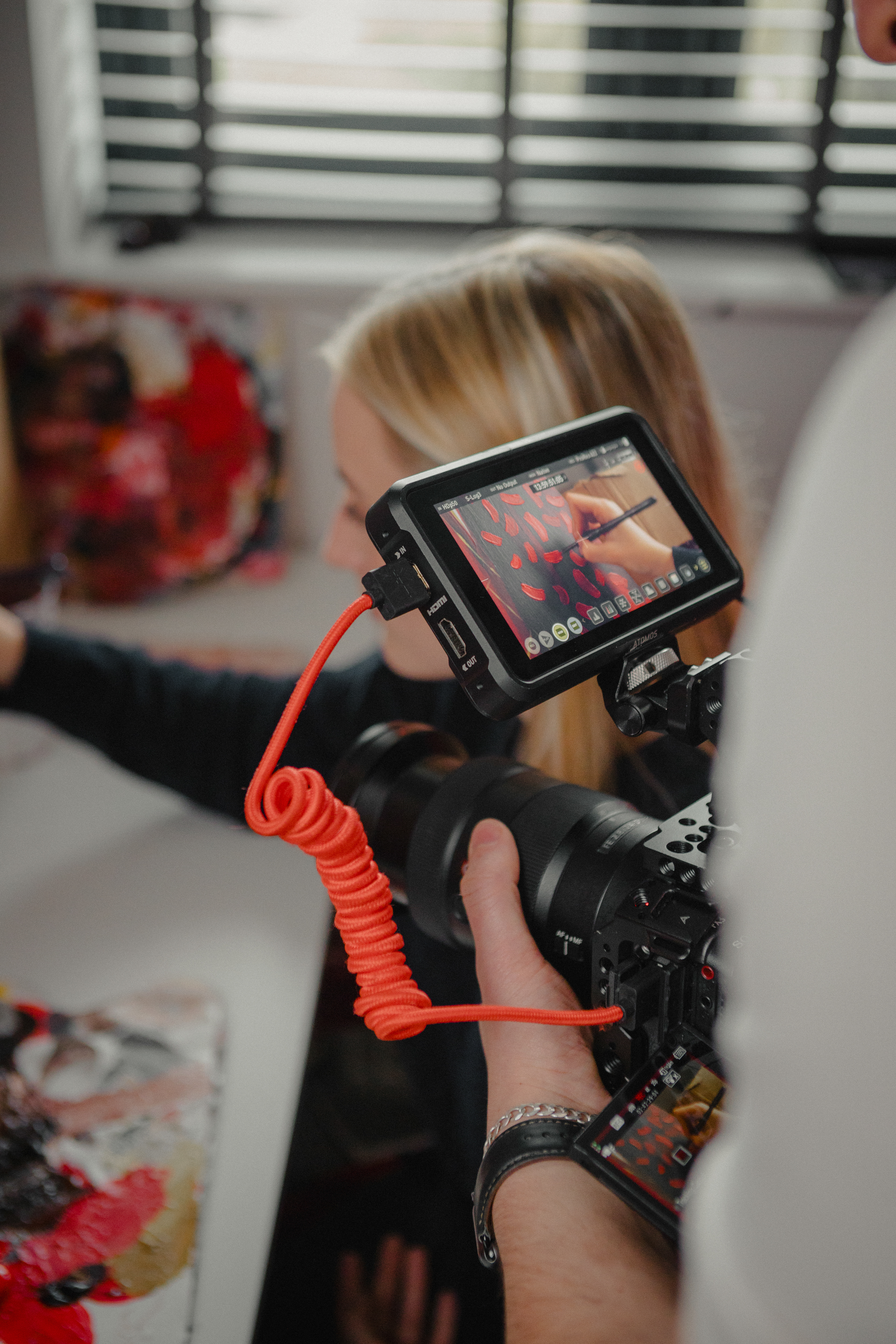
We used a mixture of controlled camera movement, handheld shots and more composed static frames, alongside close-up details of the painting process.
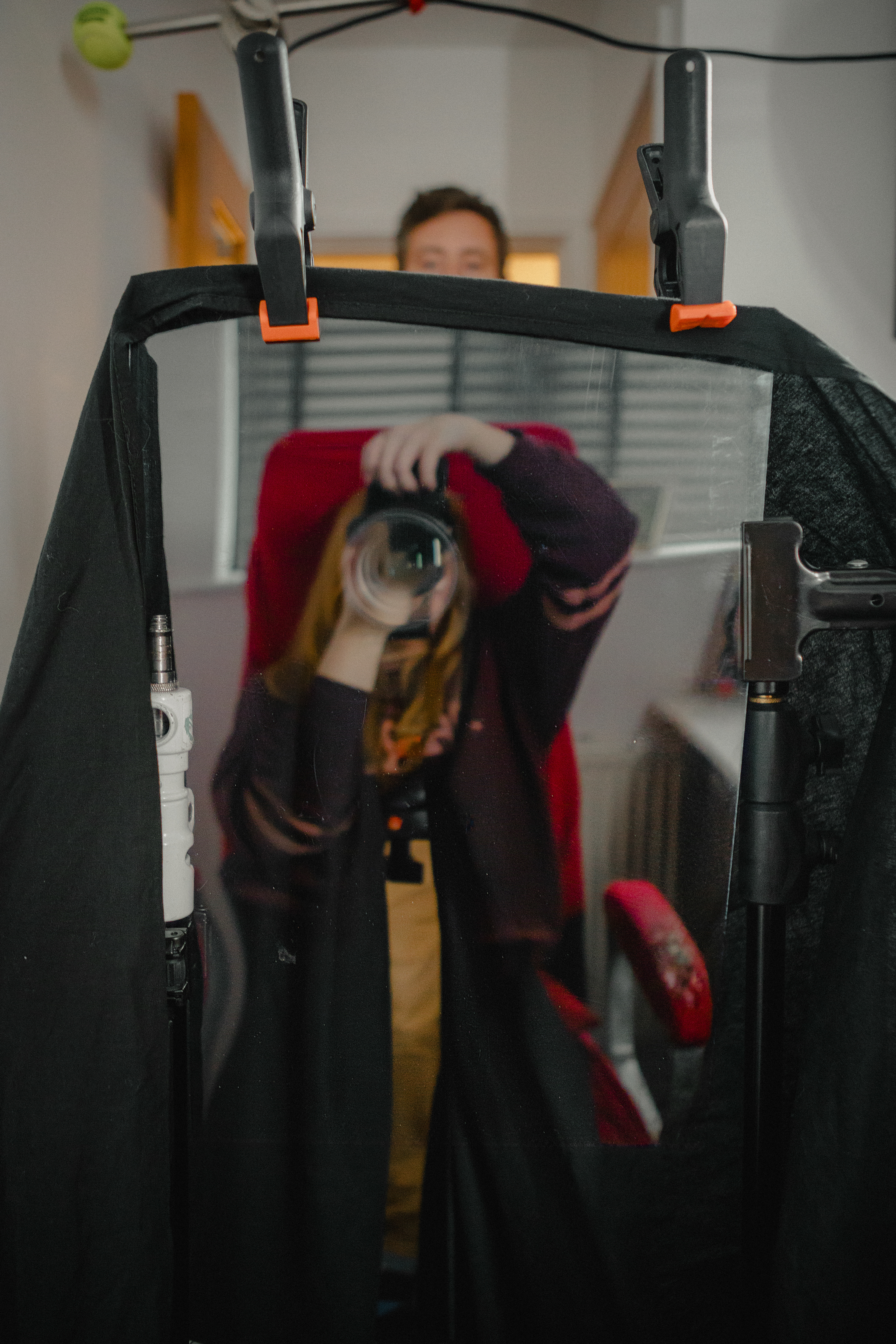
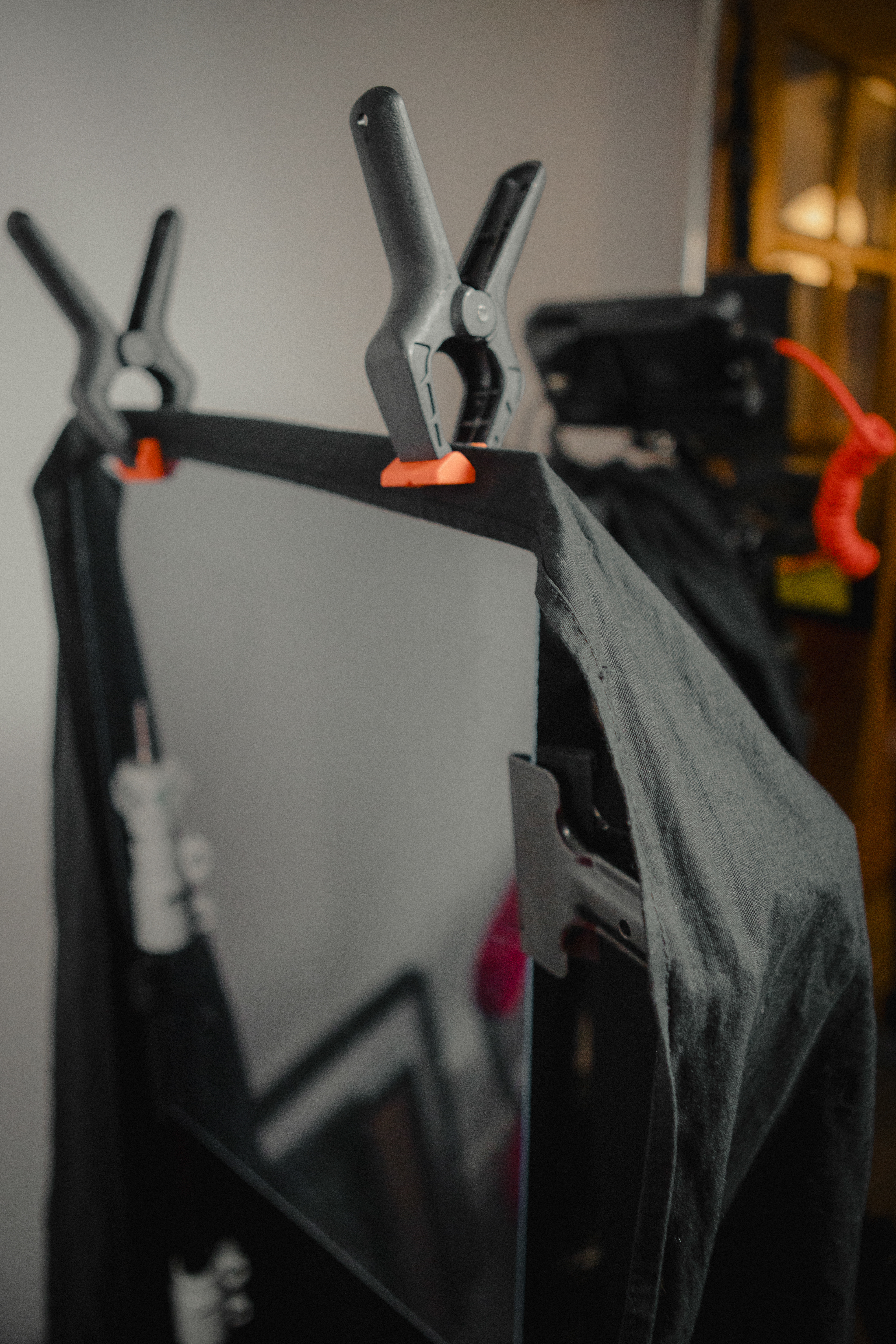
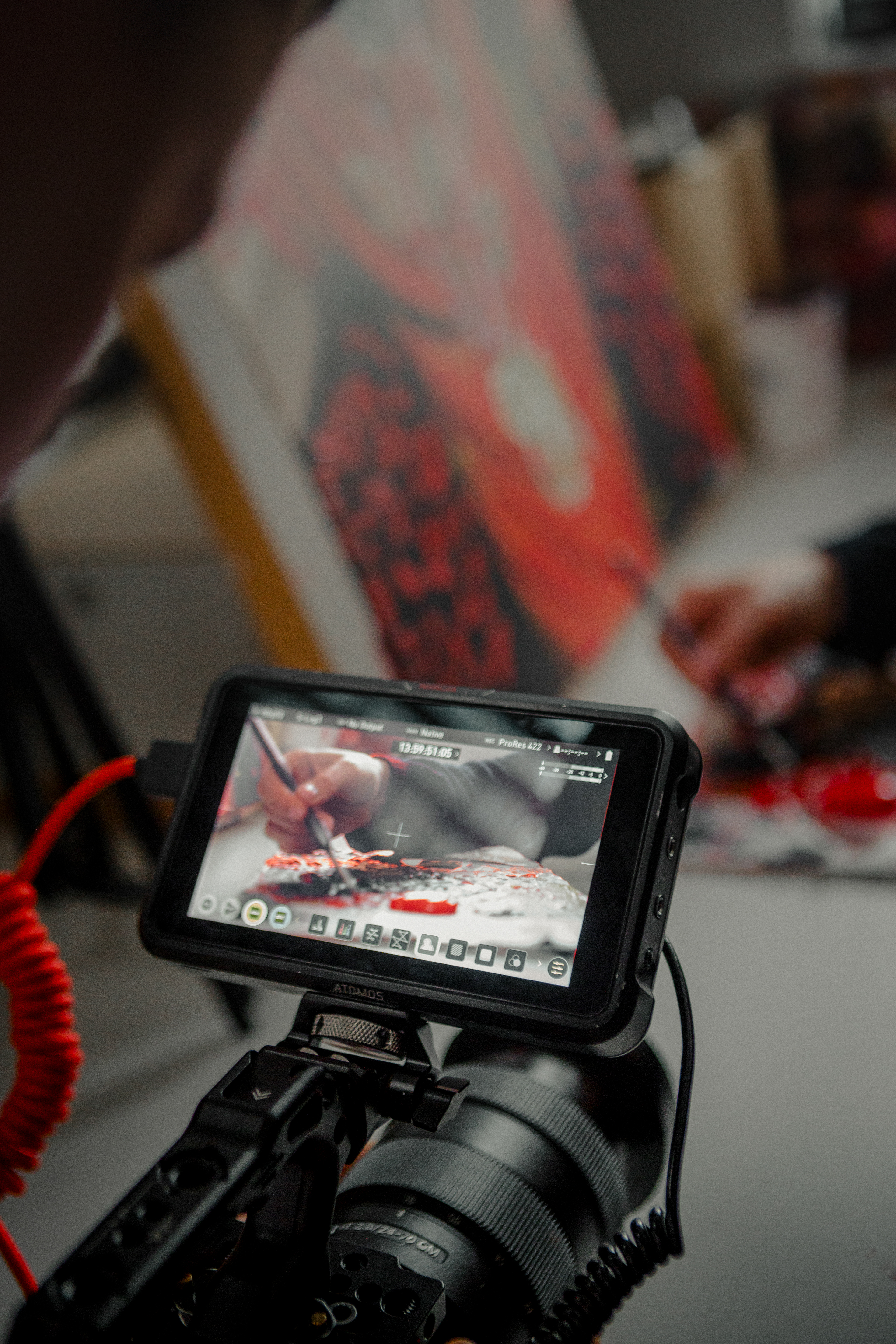
One of my favourite techniques was using a small piece of perspex glass between the camera and Abi.
The idea was to let Abi paint onto the perspex as though she was painting directly onto the camera lens. It created a really tactile shot where the brush, paint and artwork could interact with the image itself.
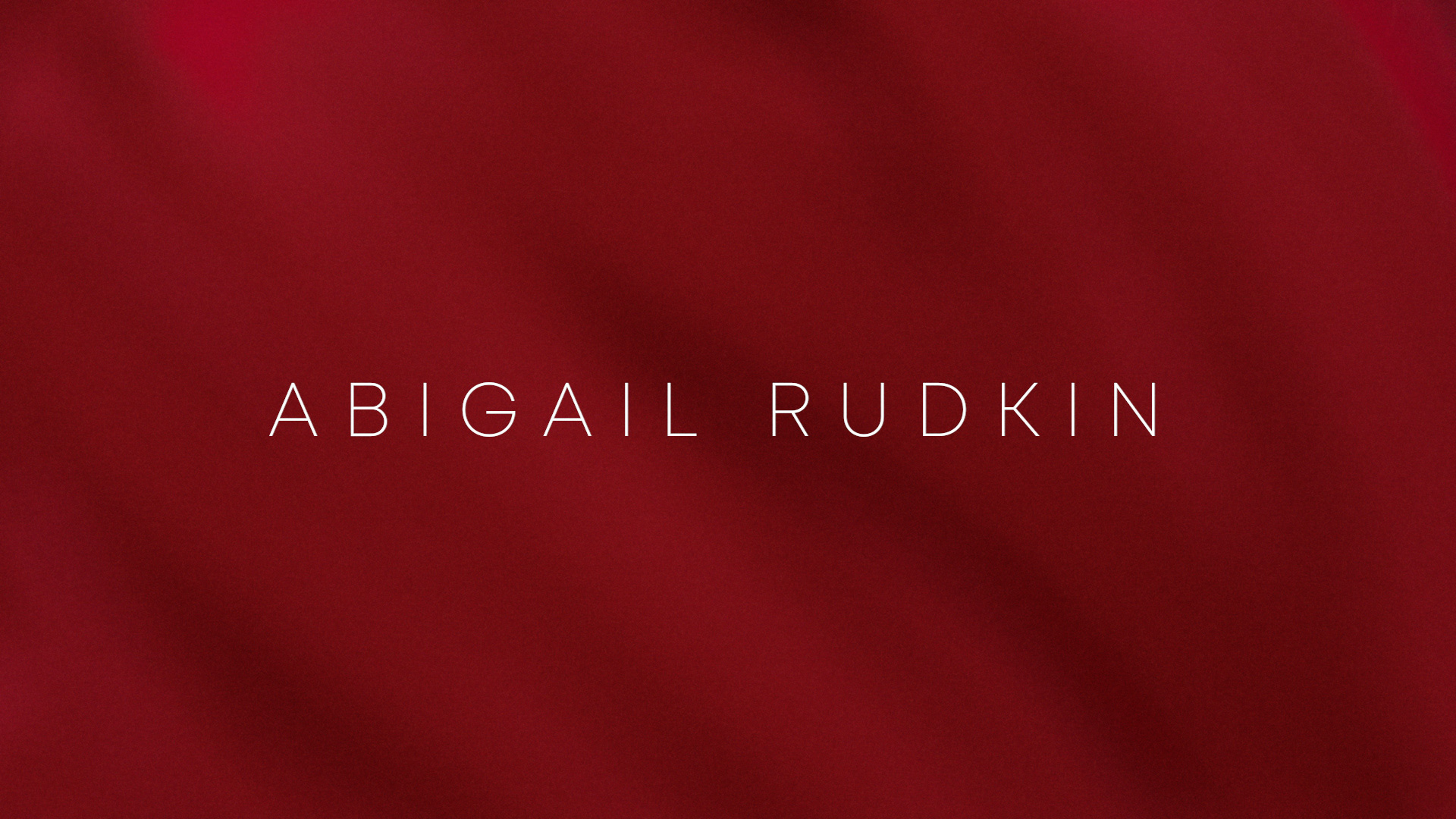
It's a relatively simple setup, (apart from battling with all the reflections!) but it gives the sequence something more visually interesting than simply filming someone painting from the side. It also made for a create title card!
It also felt appropriate for the film because it blurred the line between the artist, the artwork and the camera observing her.
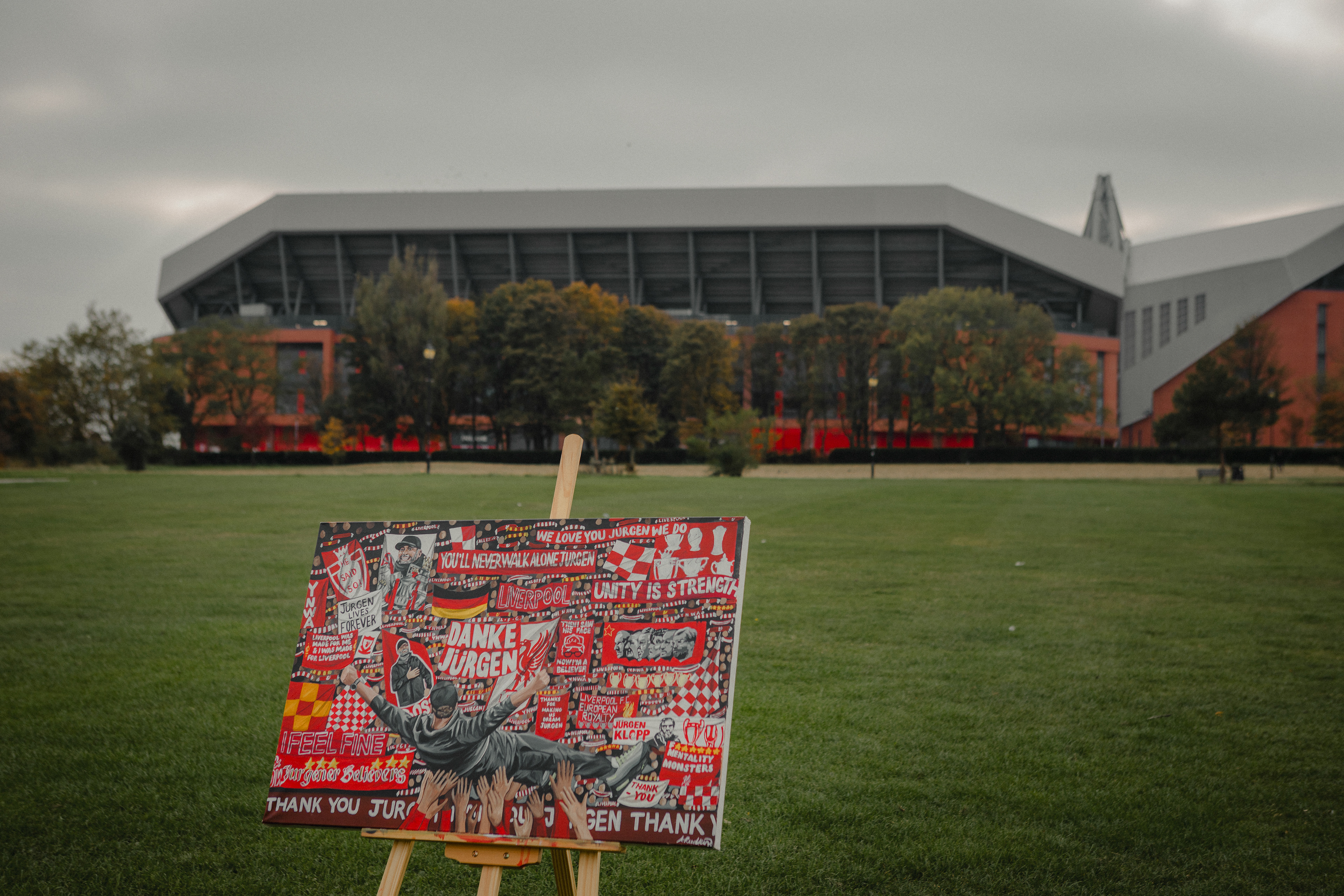
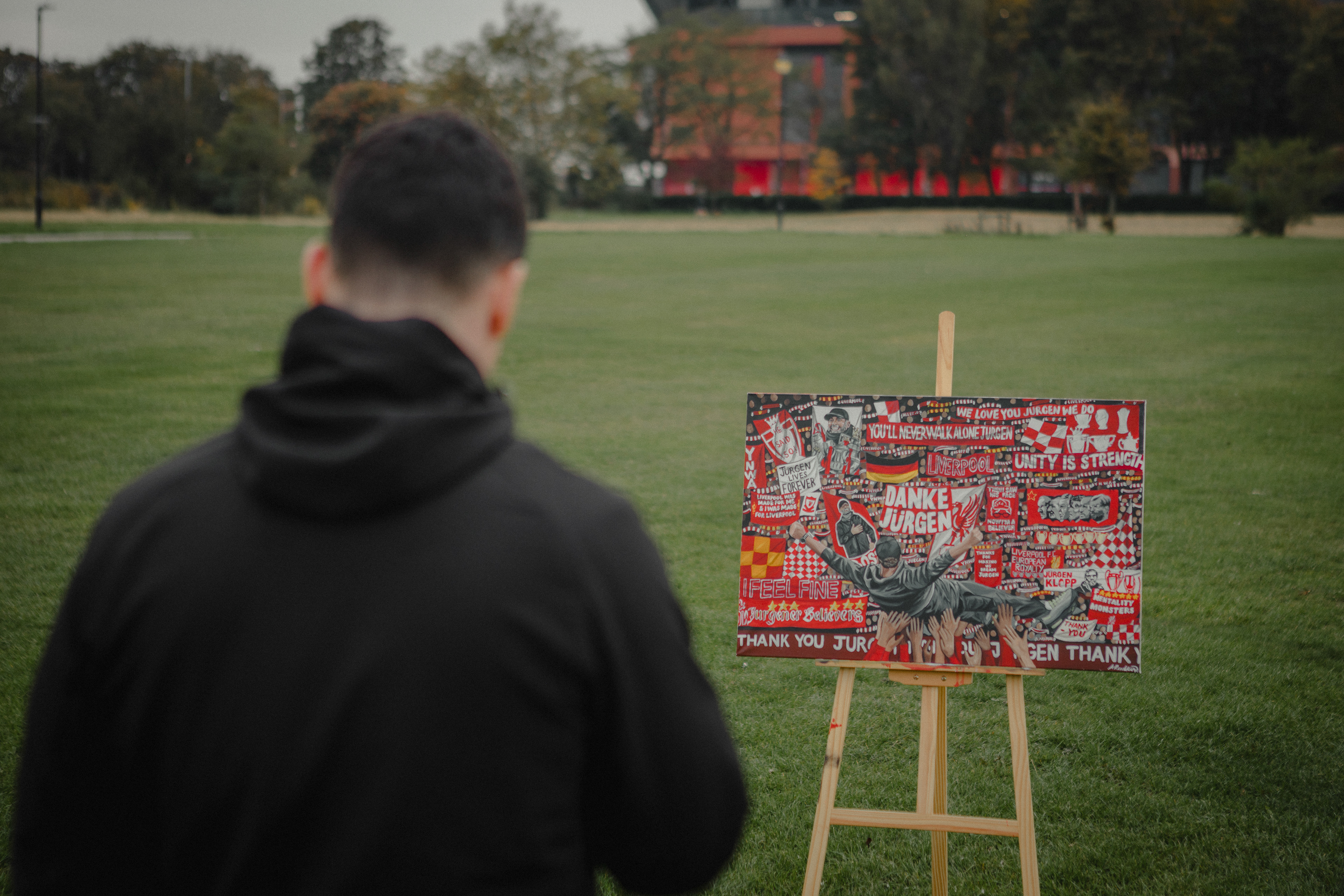
Liverpool itself was another important part of the visual language.
The city isn't simply a backdrop to Abi's story. Her connection to Liverpool is a huge part of why football and art became so intertwined for her.
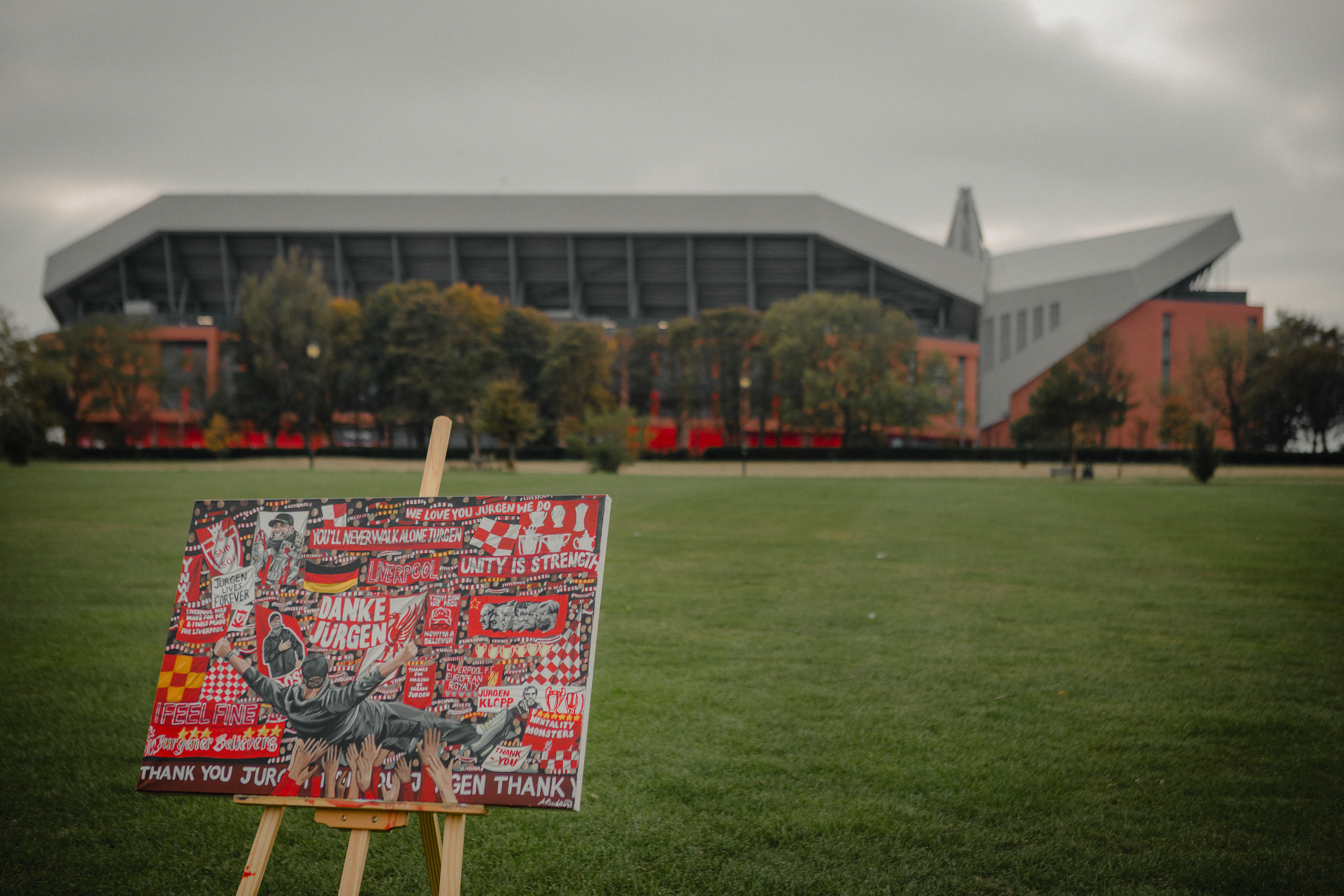
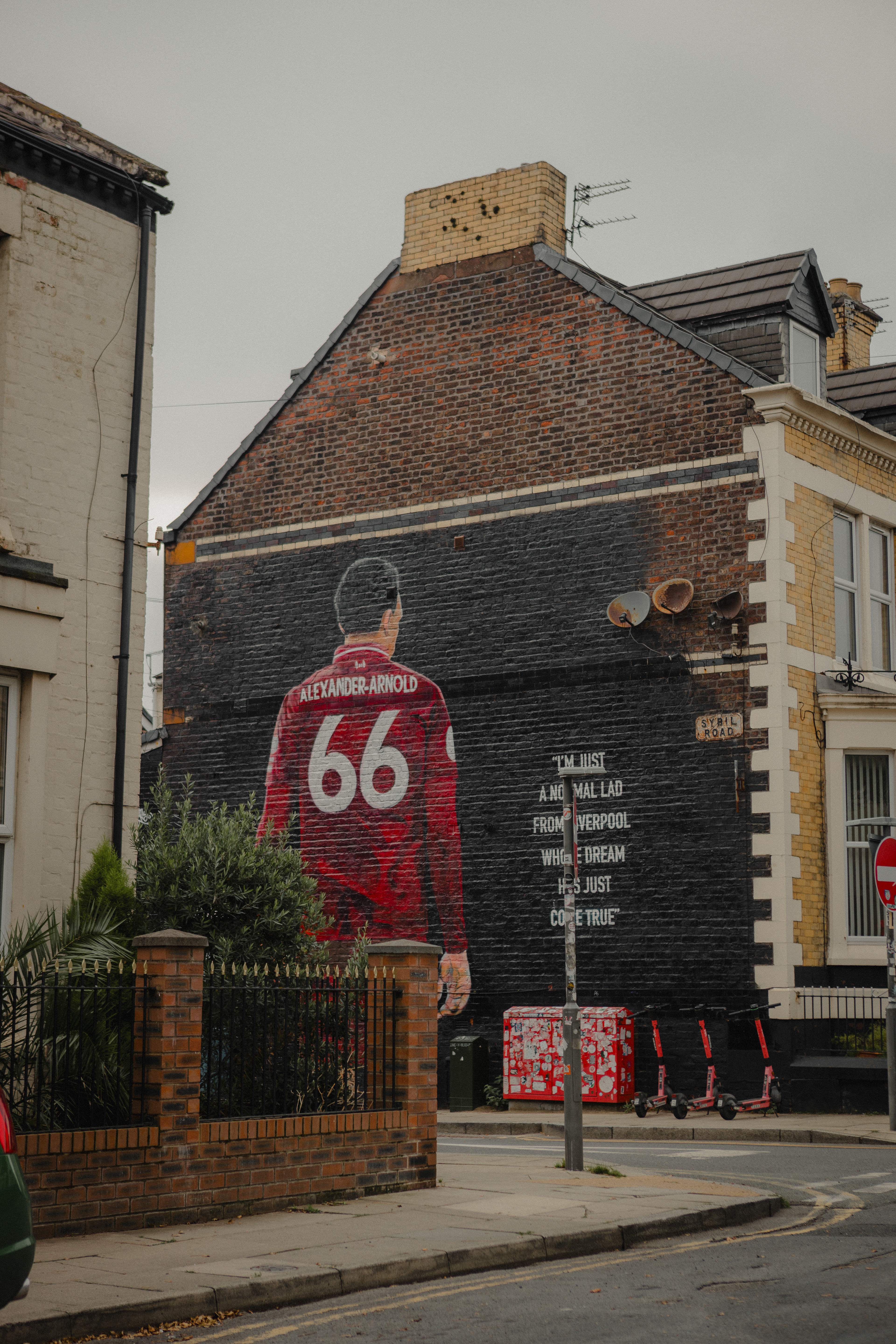
We filmed around Anfield and across Liverpool, using the city to give the film a sense of place without turning it into a tourism video.
The streets surrounding Anfield and the stadium itself, murals and the wider visual identity of Liverpool all help reinforce what Abi talks about in the interview: the sense of community, music, football and creativity that exists within the city.
The football footage and Liverpool imagery were also used carefully around the interview rather than simply dropping in whenever the word "Liverpool" was mentioned.
That was part of the wider approach to the edit: the visuals needed to progress the story rather than just illustrate the dialogue.
At its heart, this is a film about Abigail Rudkin, but it's also a film about rediscovering something you thought you'd lost.
Abi went from questioning whether she even wanted to continue with art to building a career around painting some of the biggest moments, players and personalities in football.
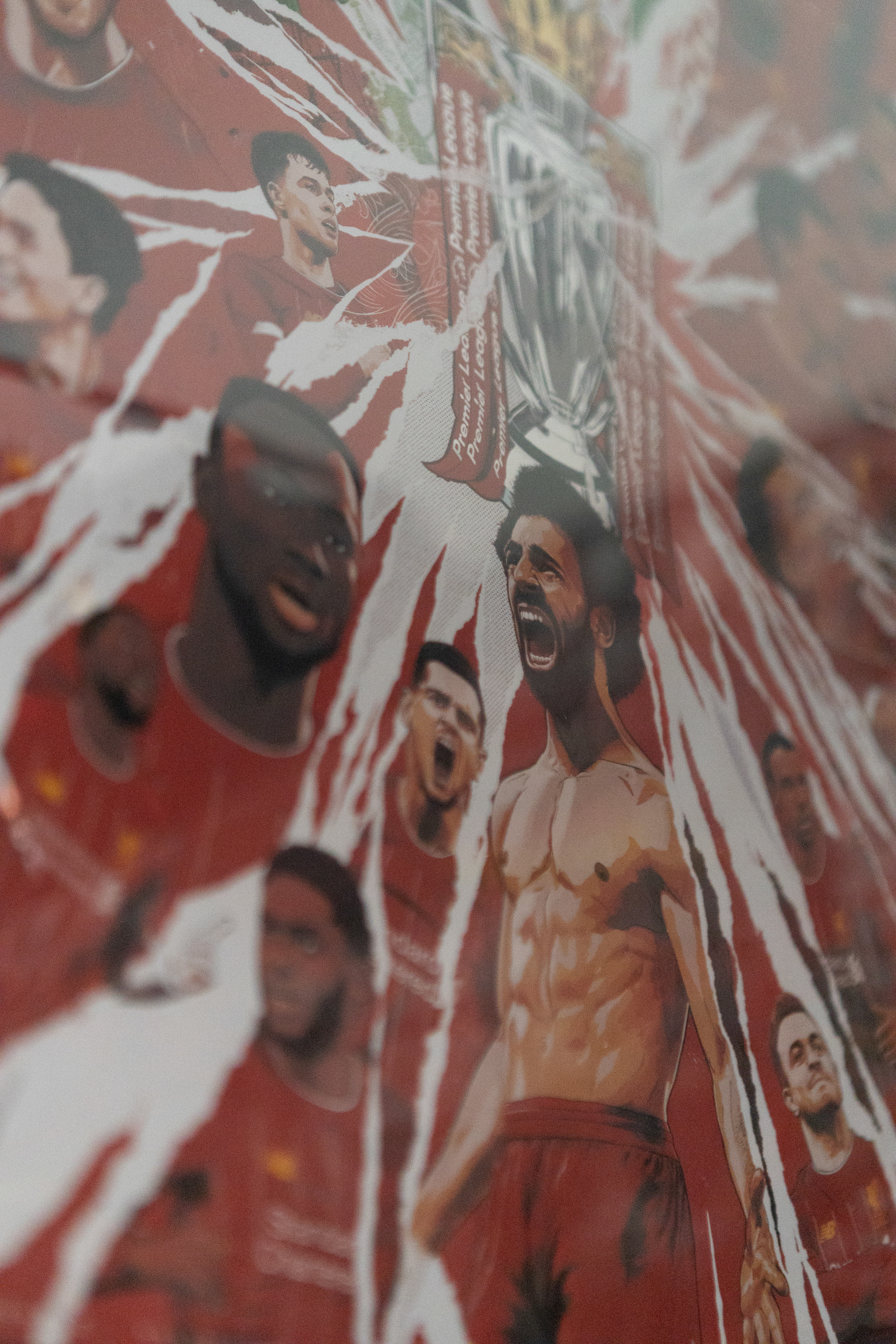
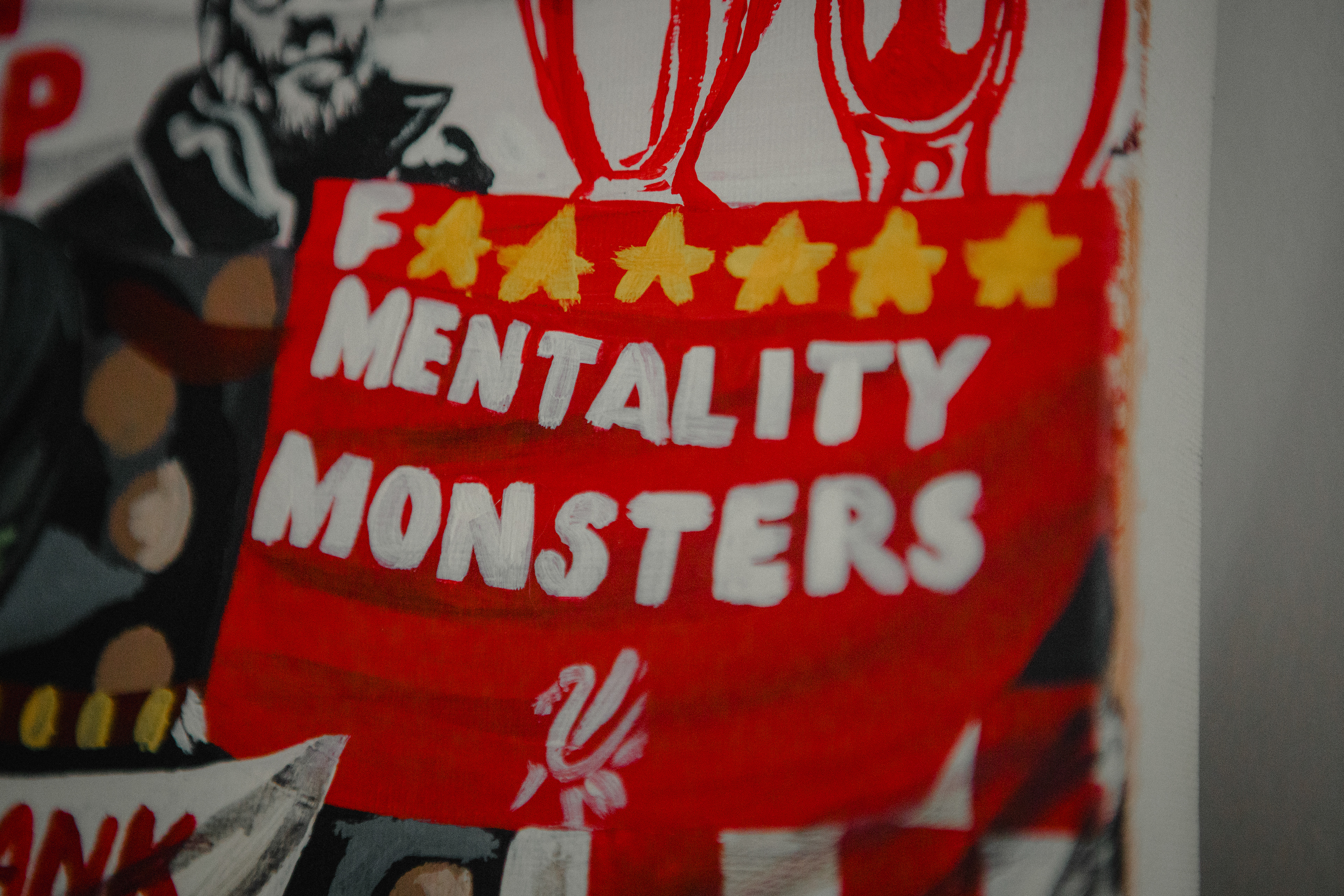
Her work has since become closely associated with Liverpool FC and Anfield, with her expressive paintings capturing the emotion and atmosphere that surround the club.
That combination of football, art, and Liverpool is what made Abi's story so interesting to me in the first place.
And after 11 months of filming, editing, restructuring, pickup shoots and probably far too much time staring at the same timeline, it's finally finished.
I'm really proud of how it turned out. More importantly, I'm grateful to Abi for trusting me to tell her story.
Watch the full documentary: Abigail Rudkin | How a Liverpool Fan Turned Football Into Art.